













































































































































HIV diagnostics have gone mobile thanks to a new cellphone app and 3D-printed attachment that use optical sensing and micromotor motion to detect the presence of HIV-1 in a single drop of blood.
HIV diagnostics have gone mobile thanks to a new cellphone app and 3D-printed attachment that use optical sensing and micromotor motion to detect the presence of HIV-1 in a single drop of blood.
New research suggests liver macrophages should not be considered an HIV reservoir, and thus should not be considered a target for HIV therapies.
On December 1, 2018, international health organizations reflected on the advancements of the HIV/AIDS research field and acknowledged the challenges that still remain such as treating comorbidities and confronting stigma.
Young black gay men are strikingly more likely to have an HIV infection despite fewer sexual partners and more frequent screenings.
Scientists think they’ve hit on the mechanism by which certain patients are able to keep their levels of HIV low without relying on medication.

A new report from the ECDC and WHO shows the disparity of new HIV diagnoses across Europe, with more than 80% of new cases occurring in Eastern Europe in 2017.
People living with HIV should get a flu shot each year, according to experts.
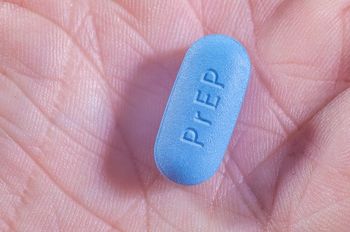
Draft guidance effectively outlines what infectious disease specialists have known for years—and leaves many unanswered questions.
Why take 3 drugs when you can keep your viral load at bay with just 2? A new study confirms that the dolutegravir/lamivudine pairing is non-inferior to a 3-drug regimen and may offer fewer toxic side effects.
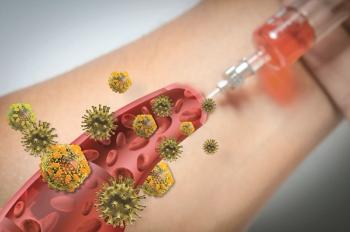
People who inject drugs who are infected with hepatitis C virus can achieve sustained viral response, despite imperfect adherence, according to the results of a new trial.

As resistance, and incidence, are both on the rise, new options may come not a moment too soon.
A new study found that poor sleep quality, poor sleep duration, problems falling asleep, and problems staying awake during wake-time activities were associated with risky sexual behavior.
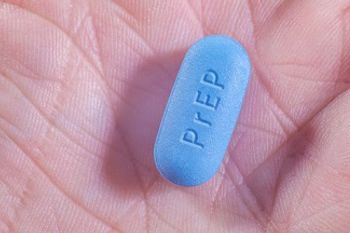
A study found that while MSM who have used stimulant or non-stimulant substances had increased rates of STIs, PrEP adherence was not decreased by substance use.
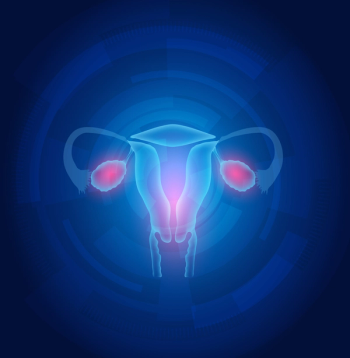
The follicular phase of the menstrual cycle may be the most vulnerable time for HIV-1 acquisition in women—not the luteal phase, as previously thought.
Research on nonalcoholic fatty liver disease in persons infected with HIV revealed a prevalence of the condition of about 40%, suggesting the condition may be an underappreciated comorbidity in this population.
A fixed-dose combination therapy (Vosevi, Gilead) was highly effective after 12 weeks in retreating direct-acting antiviral-experienced patients with hepatitis C virus infection, with and without HIV co-infection, including those with prior noncompletion of treatment or poor adherence.

A new study explores the concept of an epidemic calendar, with new findings suggesting that all infectious disease outbreaks have a seasonal element.
Some people living with HIV who have undergone stem-cell transplants have seen a radical reduction in their HIV reservoir. A new study examines the factors that may be behind this phenomenon.
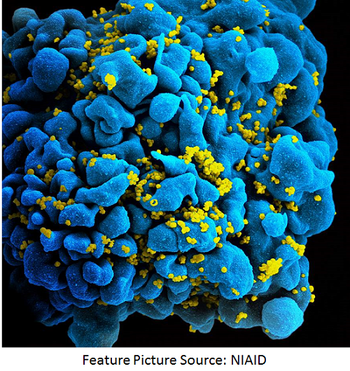
The results of a phase 1b study may set the stage for the next evolution of HIV therapy.

Stay up-to-date on the latest infectious disease news by checking out our top 5 articles of the week
Drug-resistant mutations in certain HIV strains do not appear to affect disease progression before antiretroviral therapy is initiated, but other variables may play a role.
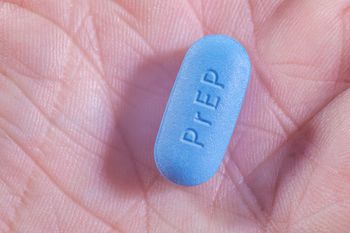
The results of a new study demonstrate that PrEP can reduce new infections within a population even when the risk of HIV remains high and other proven treatment and prevention strategies are optimized.
Results for SYMTUZA continue to be positive as the latest data indicate that 85% of study participants achieved virologic suppression (viral load
New research confirms a link between initiation of antiretroviral therapy and an increase in herpes viral shedding; however, the results suggest the spike in shedding is only temporary.

Men who have sex with men who seek out sexual partners online are more likely to report sexually transmitted infections, including syphilis, gonorrhea, and chlamydia.