




































































































































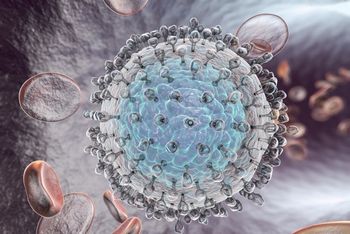
Eradication of HCV in patients with HIV results in reduction of CD4+ and CD8+ T cell immune activation.
Eradication of HCV in patients with HIV results in reduction of CD4+ and CD8+ T cell immune activation.
At week 96, 73.1% of patients infected with HIV-1 and treated with once-daily doravirine + other ART medications, achieved viral suppression.
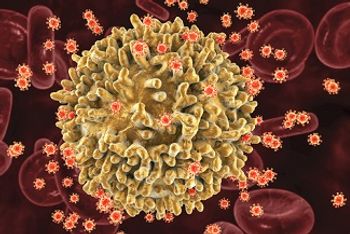
Investigators report results of the first randomized clinical trial to test a novel strategy to wake up and kill dormant HIV hiding in reservoir cells.
Dolutegravir and lamivudine combination regimen met primary endpoint in 2 phase 3 studies of treatment-naïve patients with HIV.
Mosaic-based vaccine regimen maintained humoral and cellular HIV immune responses according to long-term data from APPROACH.
New guidelines on the prevention and treatment of HIV in adults from the IAS-USA Panel highlight advances made since the 2016 guidelines, as well as the need for new strategies.
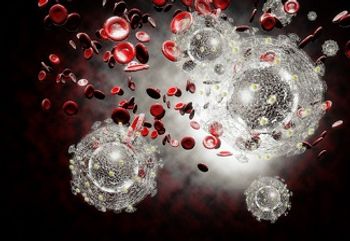
PARTNER 2 study reports zero HIV transmissions over 8 years in gay couples who did not use condoms and had achieved an undetectable viral load on HIV treatment.

More information continues to come to light on the impact of protease inhibitors on patients with HIV and cardiovascular disease.
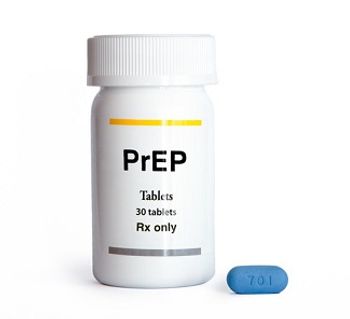
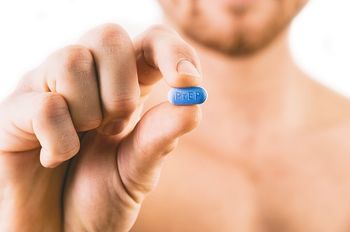
A new study reports that PrEP users were more likely to receive more primary health care services compared with non-PrEP users.

Stay up-to-date on the latest infectious disease news by checking out our top 5 articles of the week.

Treponemal immunoassays are now recommended as first-line tests for syphilis, with further testing required to confirm the diagnosis.

The FDA has approved the first complete, darunavir-based single-tablet regimen (STR) for the treatment of HIV in treatment-naïve and certain virologically suppressed adults.

National Academies of Sciences, Engineering, and Medicine workshop highlights 5 key calls for action geared at health providers responsible for treating the infectious complications of patients with opioid use disorder.

In case you missed them, we’ve compiled the top 5 infectious disease articles from this past week.

New research confirms that substance use and certain sexual practices among men who have sex with men may alter gut flora in ways that can have health consequences.
An experimental HIV-1 vaccine regimen reportedly produced immune responses against HIV in humans and rhesus monkeys.
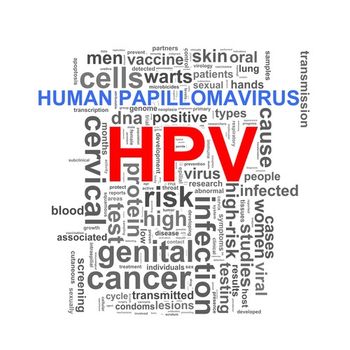
Study results suggest that HPV testing is able to detect cervical intraepithelial neoplasia earlier and more accurately than cytology.
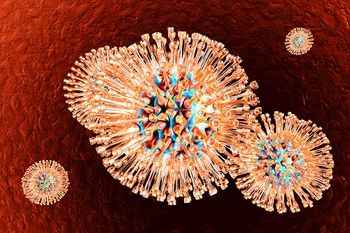
Varying dose levels of the GEN-003 vaccine were found to be associated with decreased viral shedding and lesion reduction at up to 1 year post-treatment.
Text messaging is an easy way to improve medication adherence rates, but success depends on a number of factors including youth and race.
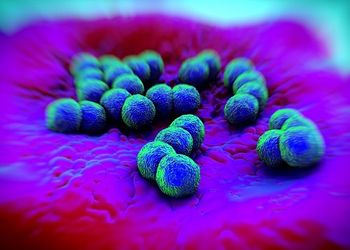
A new study conducted by Tufts University School of Medicine identifies gender-specific signatures in gonorrhea infection as well as resistant genes.
Increased testing and education, as well as assistance in financing the cost of care, are clearly needed.

New research finds patients with HIV living in 5 southern states had lower rates of viral suppression and linkage to care compared to people in northern states.

Suicide is a major problem for many patients with infectious diseases but pinpointing the exact cause has proven difficult.
A collection of survey data from 2006 through 2016 found that on average, higher-risk individuals get tested for HIV every 1.4 years.
Individuals with a dense sexual network and a history of antimicrobial drug use, such as men who have sex with men, are at a greater risk for antimicrobial resistance and gonorrhea.