




Vaccines
Latest News
Advertisement
Latest Videos









CME Content
































































































Advertisement
More News

In addition to avoiding additional infection, illness, and death, the COVID-19 vaccination program likely saved the US $1.25 trillion in medical costs.
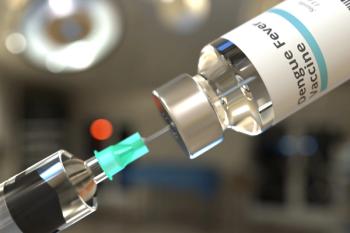
The European Commission has approved their first dengue vaccine, Takeda’s TAK-003, as climate change and urbanization contribute to a worldwide rise in dengue incidence.

Today, Pfizer-BioNTech filed submitted an Emergency Use Authorization (EUA) to administer their Omicron BA.4/BA.5-adapted bivalent COVID-19 vaccine booster in children under 5 years of age.
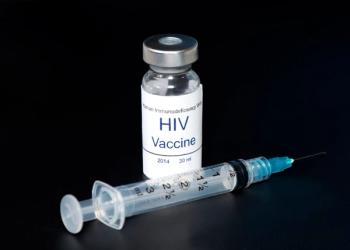
A germline-targeting HIV vaccine candidate elicited broadly neutralizing antibodies in 97% of recipients.
The investigational shot from Pfizer and Valneva demonstrated higher antibody levels in the three-dose vaccination schedule versus the two-dose vaccination schedule.

Takeda’s investigational dengue vaccine TAK-003 is currently under evaluation for preventing any dengue virus serotype in individuals 4-60 years old.
Priorix and M-M-R II are fully interchangeable vaccines to protect against measles, mumps, and rubella, the CDC’s Advisory Committee on Immunization Practices said.

Sanofi and GlaxoSmithKline are the latest companies to bring their COVID-19 booster vaccine to the marketplace with the European Commission’s approval of VidPrevtyn Beta.
New clinical findings suggest the Pfizer-BioNTech bivalent booster elicited more neutralizing antibody titers for all tested emerging Omicron sublineages, compared to their original COVID-19 vaccine.

Dynavax reported results from its phase 1 study looking at its (Tdap-1018 CpG Adjuvanted) Tetanus/Diphtheria/Pertussis booster vaccine.

The intranasal, live-attenuated vaccine CodaVax-RSV was granted FDA Fast Track designation. Clinical trials are expected to launch soon.

“In the long run, what we will have is a virus that will become endemic in our population," said Donald J. Alcendor, MD. "The idea of thinking we can chase variants with boosters is a failed effort. We must realize that.”
Polio outbreak has CDC Advisory Committee on Immunization Practices considering a novel oral vaccine 20 years after shelving its predecessor.
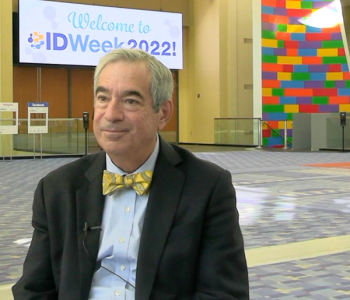
A late-breaking IDWeek 2022 study found high seroprotection was achieved among people living with HIV after receiving 3 doses of a hepatitis B vaccine.
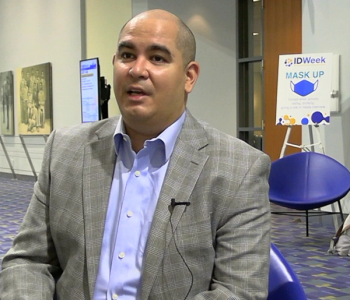
What makes Novavax’s COVID-19 booster different? The adjuvanted vaccine “has kept recognizing variants that arise,” says Novavax executive director Germán Áñez, MD.

Breakthrough COVID-19 infections were rare in fully vaccinated individuals, but the average breakthrough occurred just under 50 days after complete vaccination.
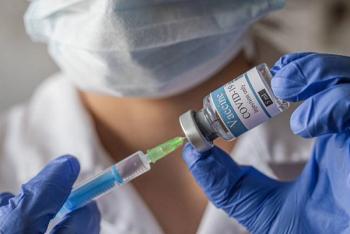
Overall, 91.5% of the hospitalized adults with COVID-19 were unvaccinated and 8.5% of patients were fully vaccinated.
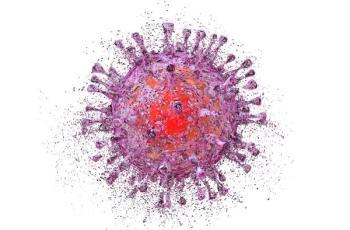
The phase 2, randomized, placebo-controlled, dose-finding trial evaluated the mRNA-based cytomegalovirus vaccine, which features a lipid nanoparticle formulation.
Preliminary results from a phase 2/3 trial suggest Pfizer-BioNTech’s Omicron BA.4/BA.5 bivalent COVID-19 booster vaccine provides better protection for younger and older adults.

The Moderna vaccine can be administered to children as young as six years old and the Pfizer-BioNTech vaccine for kids as young as five years old.
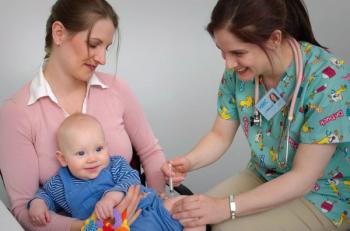
Pediatric populations are disproportionately affected by influenza. The first cell-based quadrivalent flu vaccine offers potential for greater vaccine effectiveness.
A comprehensive cohort study of COVID-19 data has reinforced the effectiveness of the various vaccines, boosters, and prior infection in protecting against infection, hospitalization and death.

A recent study broke down hospitalizations associated with COVID-19 in adults between January 2021 and April of this year, based upon vaccination status.
The vaccine is meant to be administered during the third trimester of pregnancy to the expecting mother to prevent this respiratory disease in infants younger than 2 months of age.

The CDC is urging all eligible persons to receive a flu shot, but a new survey shows fewer adults are planning to get the vaccine this season.
Advertisement
Advertisement
Trending on Contagion Live
1
Ceftriaxone Safety: Separating Signal From Risk
2
A Pennsylvania Teen Dies From Rare Measles Neurological Complication
3
New Diagnositics for Legionella Pneumonia May Streamline Care Continuum
4
Revisiting Whether Cefepime Raises Mortality Risk
5