




Vaccines
Latest News
Advertisement
Latest Videos






CME Content































































































Advertisement
More News
After positive top-line data from phase 3 trials for their meningococcal vaccine, MenABCWY, Pfizer intends to submit a Biologics License Application (BLA) to the FDA.
The vaccine is available in adults 18 years and older.
Valneva’s COVID-19 vaccine candidate, VLA2001, demonstrated superior virus-neutralizing antibodies compared to the AstraZeneca vaccine.
The federal agency's recommendation for both the Moderna and the Pfizer-BioNTech updated bivalent vaccines allows people to get the booster dose this fall.
This Emergency Use Authorization for the Moderna and Pfizer-BioNTech vaccines brings them both one step closer for people to become eligible for these boosters.

AIVITA’s COVID-19 vaccine candidate contains only the subject’s primed immune cells.

A study published this week by the American Heart Association found myocarditis was more common after COVID-19 infection than after COVID-19 vaccination.

The Cambridge-MA., company accuses Pfizer and BioNTech of copying patented technology in the development of their COVID-19 vaccine.
Pfizer-BioNTech and Moderna have developed new booster shots optimized for Omicron. They could be approved as soon as Labor Day.

From its results, the company plans to file a Biologics License Application (BLA) with the FDA.

If granted the Emergency Use Authorization (EUA), this vaccine would be available for individuals 18 years and older.
Read this week’s top infectious disease stories you may have missed, including Dr. Anthony Fauci’s announcement.
People who initially received an mRNA vaccine but were boosted with the Janssen vaccine had superior immune responses, the study found.
If it is granted an Emergency Use Authorization (EUA), the vaccine could be used as a booster dose for individuals 18 years and older vaccinated with any of the other available COVID-19 vaccines.

Investigators sought to address the effectiveness of vaccination after COVID-19 recovery.
Neutralization of BA.4 and BA.5 dropped significantly for individuals who were infected with a previous strain of Omicron, even if they were also vaccinated.
The agency decided to allow for intradermal injection thus increasing the number of available doses substantially.

The company and its partner, Pfizer, are preparing for the potential launch of 2 variant-adapted bivalent COVID-19 vaccines assuming authorizations from FDA and EMA.
A new study finds there are more pharmacies than physician practices in these areas; however, these inequities offer an opportunity for pharmacists to step-in and provide vaccine education and administration.
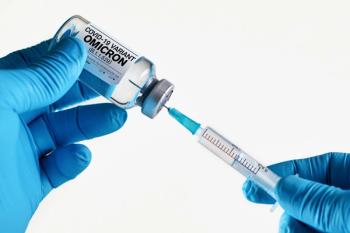
Omicron-specific vaccine boosters are coming, but just how necessary are they?

The highest rate of myocarditis or pericarditis after mRNA COVID-19 vaccination occurred among young men ages 18 to 24 after receiving a second dose of the Moderna vaccine.
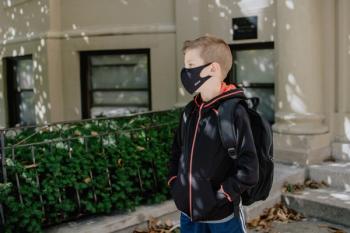
The model suggests screening unvaccinated students could reduce absences by 80% compared to reactively closing classes with infected students.
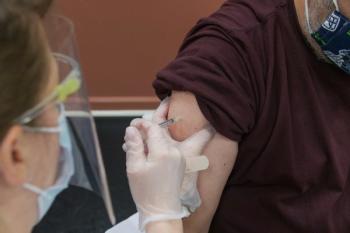
Prior infection is not enough: COVID-19 vaccination reduces the risk of reinfection by 50%.
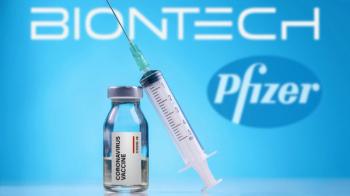
This Israeli study found 3 and 4 doses of Pfizer-BioNTech bolstered antibody titers in adults 60 and older.

A specific immunization marker showed the percentage of children receiving common vaccines fell 5% between 2019 and 2021.
Advertisement
Advertisement
Trending on Contagion Live
1
Ceftriaxone Safety: Separating Signal From Risk
2
A Pennsylvania Teen Dies From Rare Measles Neurological Complication
3
New Diagnositics for Legionella Pneumonia May Streamline Care Continuum
4
Revisiting Whether Cefepime Raises Mortality Risk
5