



Zoonotic & Vector-Borne Diseases
Latest News
Advertisement
Latest Videos



























































































































































Advertisement
More News

Viviane Boaventura, MD, MsC, PhD, explains how Zika virus causes auditory loss.
With Lyme disease incidence in the United Kingdom on the rise in recent decades, a new report from the National Institute for Health and Care Excellence aims to help doctors spot cases of the tick-borne disease.

News about the Zika virus dominated our top articles for the month of September 2017. Did you read them all?

As investigators learn a possible explanation for why the Zika virus causes such devastating effects, the CDC has deactivated their emergency operations center for the infection.

Contagion® will be providing exclusive coverage on the conference, and so, keep your eyes peeled for session coverage and interviews with some of the key presenters.

David A. Schwartz, MD, MS Hyg, FCAP, explains how researchers from all over the world have come together to share their research on Zika virus.

Silvio Pitlik, MD, provides insight into the prevalence of Lyme disease in Israel.
With new West Nile virus cases reported in California and Washington state, health officials are reminding the public that it’s not too late in the season to catch the mosquito-transmitted disease.

Prof. Francisco Veas, PhD, chief security officer, Institut de Recherche pour le Développement, France, explains some of the issues faced by patients with Lyme disease living in Europe.

In case you missed them, we've compiled the top 5 articles from this past week.

Viviane Boaventura, MD, MsC, PhD, discusses ongoing research related to auditory complications due to congenital Zika syndrome.
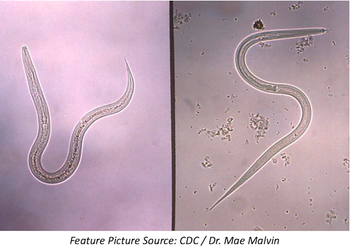
Despite thoughts that hookworm had been eradicated from the United States, a new study finds the parasite in Lowndes County, Alabama, begging the question—was it ever really gone?
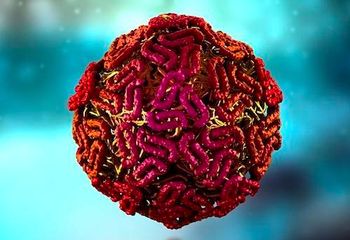
New cases of West Nile virus springing up around the country are a reminder that the virus can continue to cause new infections well into fall, as mosquitoes continue to stay active where it’s still warm.

Contagion® has unveiled its first Peer Exchange, a lively conversation between medical experts that provides opinions and perspectives on the controversy surrounding Lyme disease.
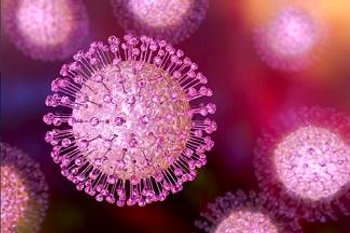
In this update, we cover the latest news this past week associated with the Zika virus.

Joergen Richt, DVM, PhD, discusses which animal models are being used to study Zika virus.

In a new study reviewing existing literature, researchers have found that more than 2 dozen viruses have been detected in human semen.

Viviane Boaventura, MD, MsC, PhD, shares how past research has demonstrated that adults can experience Zika-associated hearing loss.

Silvio Pitlik, MD, visiting scientist, Weizmann Institute of Science, Israel, explains how the first Lyme disease patients were misdiagnosed.
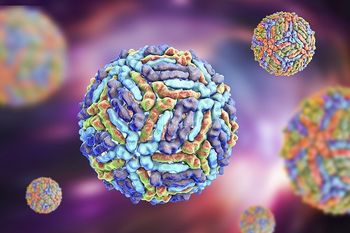
Although West Nile virus activity is set to taper off in the coming weeks, state health agencies are continue to report new cases, reminding the public that mosquito activity and new infections may continue well into fall.

Puppies sold by national pet store chain have been identified as the potential source of an ongoing multistate Campylobacter outbreak.
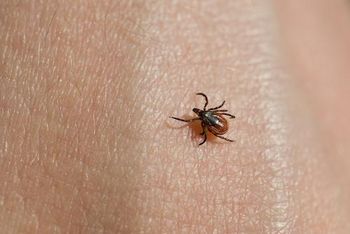
NIH scientists have developed a novel organ culture model to study ticks that transmit flaviviruses.

Joergen Richt, DVM, PhD, discusses the transmission cycle of Zika virus.
New research has shown that the devastating effects of the Zika virus on the newborn brain may be the key to destroying glioblastoma in adults.
In a new study on factors that make individuals susceptible to infectious diseases, researchers have found that cholesterol-lowering drugs may reduce susceptibility to certain diseases.
Advertisement
Advertisement
Trending on Contagion Live
1
Cefiderocol-Xeruborbactam Active Against Carbapenem-Resistant Bacteria
2
Pritelivir Cuts Hospital Days in Refractory HSV in Phase 3 PRIOH-1
3
Zelicapavir Shortens RSV Symptoms Despite Missing Primary End Point
4
Measles Update: October 23, 2026
5