


Zoonotic & Vector-Borne Diseases
Latest News
Advertisement
Latest Videos



























































































































































Advertisement
More News
Los Angeles County Department of Public Health is investigating an influx of cases of flea-borne typhus in downtown Los Angeles.
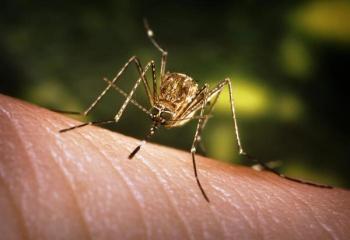
The new vaccine schedule is 7 days between doses for adults aged 18 to 65, instead of the standard 28 days.
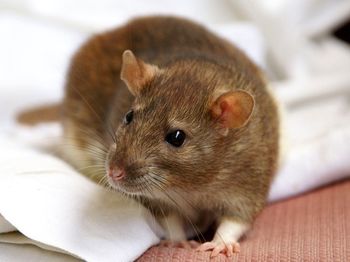
In September 2017, a patient in Hong Kong was diagnosed with rat hepatitis E virus after inflammation of the liver was observed.

During a multidrug-resistant Campylobacter outbreak, 142 puppies were identified as receiving 1 or more antibiotic courses before arriving or while at the store.
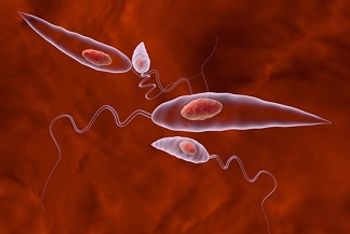
Investigators have developed an innovative method to identify molecules capable of eliminating the Leishmania parasite.

Stay up-to-date on the latest infectious disease news by checking out our top 5 articles of the week.
Ebola is not the only infectious disease that health officials in the Democratic Republic of the Congo are struggling with.
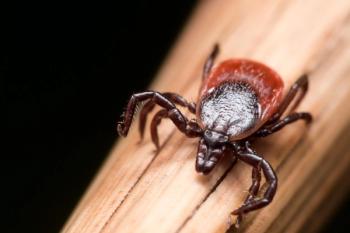
Tick-borne infections will pose significant threats in the near future, according to infectious disease experts.
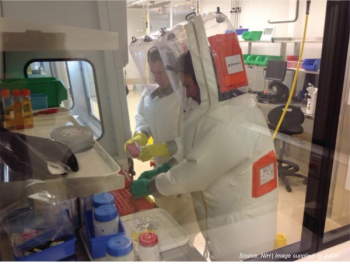
The National Emerging Infectious Disease Laboratories at Boston University have the latest equipment, security redundancies, and airtight procedures and protocols. Yet, as they begin work on Ebola and Marburg, they cannot eliminate the risk of human error.

Stay up-to-date on the latest infectious disease news by checking out our top 5 articles of the week.

The FDA has added Lassa fever, chikungunya virus disease, rabies, and cryptococcal meningitis to the tropical disease Priority Review Voucher Program.
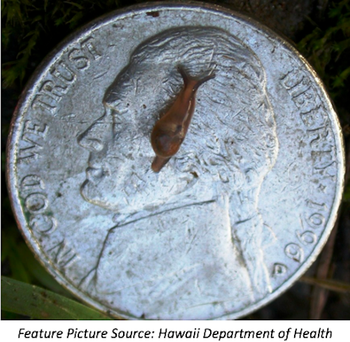
Health care providers, especially those practicing in the southern United States, should consider angiostrongyliasis in patients with eosinophilic meningitis.
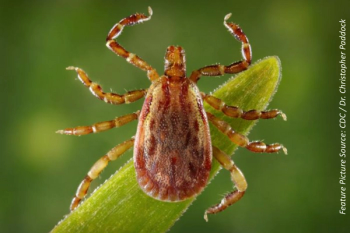
A recent molecular study has confirmed the causative agent involved in a large epidemic of Rocky Mountain spotted fever in humans and dogs in Mexicali, in Baja California, Mexico.

A new report from researchers at the Centers for Disease Control and Prevention details the investigational use of a drug to treat Chagas disease now available commercially in the United States.

The CDC now recommends that men who have been exposed to Zika use condoms or abstain from sex for 3 months to prevent sexual transmission of Zika.
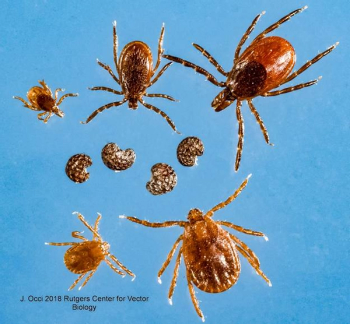
A species of tick that is native to Australia, New Zealand, and eastern Asia, has been springing up in several US states this summer.

The FDA approves tafenoquine tablets for the prevention of malaria in patients aged 18 and older.

Researchers in Slovenia investigate why some Lyme disease patients respond more quickly to treatment than others.
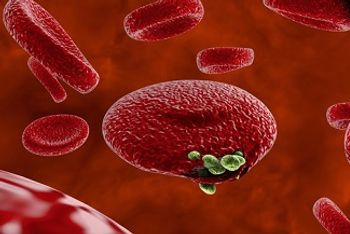
Investigators from Yale School of Medicine, in collaboration with Novartis Vaccines, Inc, have developed a novel vaccine that successfully protects against malaria infection in a mouse model.
Tafenoquine is the first single-dose medicine for the prevention of P vivax malaria relapse.
Stay up-to-date on the latest infectious disease news by checking out our top 5 articles of the week.

The World Health Organization has listed Uganda on its Zika travel advisory list, but now the country’s health minister is requesting removal from the list, citing no cases or outbreaks.

Treatment with azithromycin plus ivermectin versus ivermectin alone provides equal protection against scabies and impetigo in at-risk communities.

In October 2016, 6 harvesters at a German vineyard fell ill after consuming pressed grapes contaminated with Francisella tularensis from infected mice.
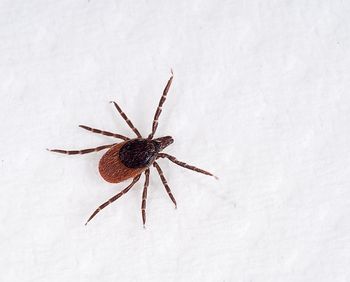
Researchers from Northern Arizona University report that citizen participation in nationwide research can offer insight into the prevalence of vector-borne disease threats.
Advertisement
Advertisement
Trending on Contagion Live
1
Cefiderocol-Xeruborbactam Active Against Carbapenem-Resistant Bacteria
2
Pritelivir Cuts Hospital Days in Refractory HSV in Phase 3 PRIOH-1
3
Zelicapavir Shortens RSV Symptoms Despite Missing Primary End Point
4
Measles Update: October 23, 2026
5