





Healthcare Associated Infections (HAI)
Latest News
Advertisement
Latest Videos































































































































































Advertisement
More News

Rates of central line–associated bloodstream infection (CLABSI), catheter-associated urinary tract infection (CAUTI), and methicillin-resistant Staphylococcus aureus (MRSA) bacteremia all increased in hospitalized COVID-19 patients.

Several years after its FDA approval, this antibiotic continues to prove its efficacy in vitro across various pathogens related to these infections.

The Veterans Administration reported a reduction in the bacterial infection in healthcare settings where infection prevention practices were continued.

This study of health care access and affordability found adults with long COVID reported more unmet health care needs in the past 12 months.
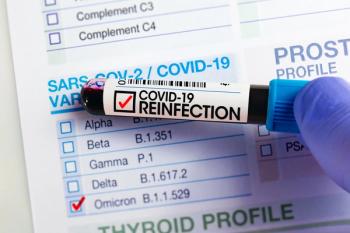
How likely is COVID-19 reinfection? A new study estimates the protection from past COVID-19 infection by variant and time since infection.

Despite high vaccination rates and intensive contact tracing and infection control protocols, an Omicron BA.5 outbreak occurred in Urumqi, China after the “zero-COVID policy” was lifted.

Vilobelimab (Gohibic) was granted Emergency Use Authorization to treat adults hospitalized with severe COVID-19 infection.

Nursing home residents 85 years and older or with comorbidities were the most susceptible to COVID-19 breakthrough infections.

Ensitrelvir is an investigational 3CL protease inhibitor that reduced COVID-19 illness duration by 1 day.

Increased sales of these antibiotics during the COVID-19 pandemic raise concerns about the growing threat of antimicrobial resistance.

After 28 days, hydrocortisone reduced the risk of mortality by 5.7% in severe community-acquired pneumonia patients.

This study analyzed concerns that a lack of time may lead primary care physicians to prescribe unnecessarily as a “quick fix.”
The seasonal respiratory virus could be the challenging, lingering colds people are suffering with this year.

In the 12-month period following COVID-19 infection, long COVID patients had an excess death rate of 16.4 per 1000 individuals.
Periods of COVID-19 reinfection correlated with the circulation of new variants, as well as with time since first infection.
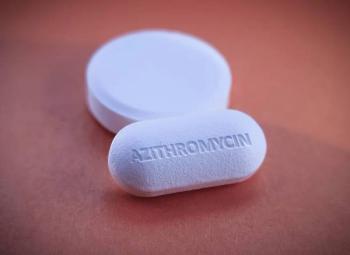
A single oral dose of azithromycin reduced the risk of maternal sepsis or death by 33% in women who delivered vaginally.

Antimicrobial stewardship programs can protect drugs listed on the WHO Watch List, but the benefits are also dependent on countries' income level.
Higher poverty, crowding, and lower education levels disproportionately increased a person’s risk of S aureus infection, according to a new study.

Bacterial co-infections with COVID-19 are uncommon, but frequent use of antibiotics has fostered treatment resistance in co-occurring and secondary infections.

Implementing rapid near patient testing (NPT) reduced patient isolation time, length of hospital stay, antibiotic usage, and overall cost.

If approved on its March PDUFA date, rezafungin could be the first new Candida treatment option in over a decade.
Sepsis is the number 1 cause of death in hospitals. The FDA approval of IntelliSep, the first sepsis diagnostic tool, could change this.

Fecal microbiota transplantation (FMT) is known to be an effective treatment for recurrent Clostridioides difficile infection. New research reveals why.

November is C difficile Awareness Month. We're recapping the most significant potential therapies and remaining challenges from the past month.
Dr. Teena Chopra discusses the global need to do more to prevent healthcare-associated infections like C difficile in vulnerable patient populations.
Advertisement
Advertisement
Trending on Contagion Live
1
Recent Guideline Updates in the Management of Urinary Tract Infections
2
Clinical Considerations for Measles: Presentation, Treatment, and Hospitalization
3
FAQ: Rising Rabies Exposure Calls PEP Decisions Back in Focus
4
Measles Update: October 2, 2026
5