



HIV / AIDS
Latest News
Advertisement
Latest Videos












































































































































Advertisement
More News
Some patients who switched appear to have done so in anticipation of clinical indications.
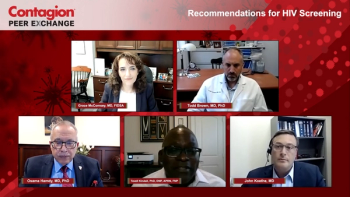
Recommendations for primary care physicians to help properly identify patients who should be tested for HIV, and an overview of available screening tests.
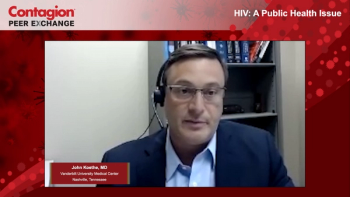
John Koethe, MD, of Vanderbilt University Medical Center, reacts to current trends in new HIV diagnoses among various patient populations.
Pharmacist-initiated access, as well as longer treatment durations, may redefine HIV prevention efforts.

Reviewers attribute less severe COVID-19 symptoms in patients with HIV and low CD4 count to reduced capacity for immune reactions including cytokine storm.
Three HIV screening strategies identified comparable numbers of new HIV diagnoses, a new study found.
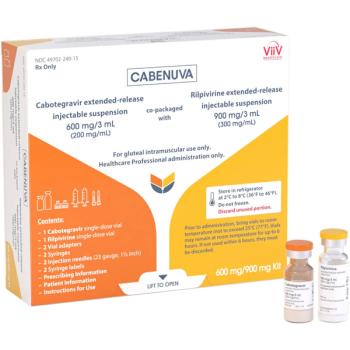
Patients given a 600 mg injection of cabotegravir still had detectable levels of the drug in plasma, tissues, and fluids for 12 weeks.

A recent study of sexually active young women in Africa found that initiation of HIV preexposure prophylaxis (PrEP) was high at 95% and one-fifth showed high adherence at 6 months.
A discussion as to why people with unstable housing living with HIV may not prefer telehealth versus consistent in-person care.
The risk of COVID-19 severity in people living with HIV may be less than previously anticipated.

Due to limited familiarity with providing antiretroviral medication, many participants were hesitant to initiate PrEP.

Investigators wanted to study usage of F/TAF vs F/TDF in clinical practice and HIV seroconversion.

Adherence for daily dosing decreased and event-driven PrEP usage increased in a Chinese study.

Impaired resilience was found to be associated with loneliness.

Virtual support services were crucial for providing continued care and education.

In a pilot project, customers were surveyed about HIV risk behaviors to gain further insights and assessed for potential PrEP utilization.
New 24-week findings from Merck highlight the potential of a 1-month PrEP option for low-risk patients.

Many respondents reported having a lack of information about the use of PrEP.
PLWH should strictly maintain ART therapy and COVID-19 mitigation efforts.

Crowdsourcing and other approaches may develop more effective interventions to promote PS.

More tailored strategies could improve PrEP provision in family planning clinics.
A meta-analysis study found that 70% of PrEP users either stopped or had inadequate adherence within 6 months of initiation.

Small survey from gay and bisexual men (GBM) inquired about their experiences during COVID-19 restrictions, and feedback on PrEP.

No significant difference was observed across the 3 study groups.

A positive relationship may exist between infection severity and adaptive immunity.
Advertisement
Advertisement
Trending on Contagion Live
1
Measles Update: September 25, 2026
2
US Company Recalls Thousands of Pounds of Uninspected Meat
3
Carbapenem-Sparing Therapy for ESBL Bacteremia: New Trials, Old Questions
4
Enivronmental Stewardship: The Role of Antimicrobials in Climate Change
5