




































































































































































A visitor to Akron City Children’s Hospital neonatal intensive care unit in Akron, Ohio, may have inadvertently exposed nearly 50 people to tuberculosis (TB) during the months of November and December of 2016.

A visitor to Akron City Children’s Hospital neonatal intensive care unit in Akron, Ohio, may have inadvertently exposed nearly 50 people to tuberculosis (TB) during the months of November and December of 2016.
With flu season underway, a pair of recent studies highlight the impact of winter weather on influenza activity and raise questions about the right time to receive a flu shot.

Researchers find that for children who suffer from mild to moderate recurrent throat infections, tonsillectomy may be more beneficial than watchful waiting.

Researchers from the Julius Center for Health Sciences and Primary Care at the University Medical Center in Utrecht, The Netherlands, examine the cost-effectiveness of the most commonly used treatments for community-acquired pneumonia.

The researchers discovered that the protein is responsible for immune response and destruction of the bacteria.

New research has revealed just how creative some bacteria can get in order to survive and move between hosts.

An additional nine states are reporting widespread influenza activity, in what is already a busy flu season that has been marked by severe illness caused by the influenza A (H3N2) strain.

The CDC shares how a patient in Nevada died from a CRE that was resistant to a total of 26 different antimicrobial drugs.
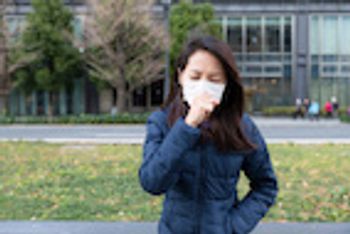
University of Alberta researchers have designed a new surgical mask that uses a sodium chloride salt coating to trap and kill pathogen droplets, which could help prevent the spread of viruses.

Researchers have developed a material that may have the potential to provide protection against hospital-associated infections.

Respiratory Syncytial Virus is an incredibly common virus that hits both the very young and the very old disproportionately.

These findings discredit previous allegations that this outbreak was the cause of one source and that the number of cases is higher than that identified in previous years.

The 2016-2017 influenza season continues to see a growing number of severe flu cases due to the increased prevalence of influenza A (H3N2) virus.
Researchers at Southern Research Institute are focusing their efforts on finding a broad-spectrum antiviral drug that will be effective against a number of influenza strains.

The H3N2 strain of influenza continues to circulate throughout Calgary, as well as in the South Zone, while “little influenza activity in the North Zone [has been observed] to date.”

Researchers have found no link between an influenza infection during pregnancy and an increased risk of an autism spectrum disorder diagnosis.

Researchers have conducted a study looking into the role that vitamin D might play in reducing the number of acute respiratory infections that are experienced by older adults residing in long-term care facilities.

Dutch scientists have identified the best conditions for Legionella growth: conditions that support biofilm growth.

Researchers have found potential evidence that suggests Ebola may be able to replicate in the lungs of recovering patients.

Researchers uncover high rates of co-infections in patients who are admitted to hospitals with influenza.

New surveillance reports from the Centers for Disease Control and Prevention (CDC) show that this year’s influenza vaccine can offer effective protection against circulating viruses this flu season.

Your cash is probably dirtier than you think, with the potential to serve as a vehicle for a number of harmful, disease-causing bacteria.


Low CD4/CDE8 ratio and a history of bacterial pneumonia heighten the risk for lung cancer in an HIV-positive population.