



















































































The latest report from the Department of Health and Human Services reveals both good news and bad news on the health of our nation.
The latest report from the Department of Health and Human Services reveals both good news and bad news on the health of our nation.
Otto Schwake, PhD, explains how likely it is for someone to catch Legionnaire’s disease from windshield washer fluid.
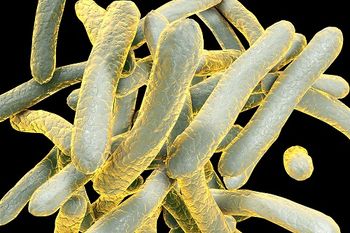
A new biological fingerprint for tuberculosis meningitis in children may eventually help practitioners learn more on the severity of infection in their patients, which in turn can lead to better treatment decisions.
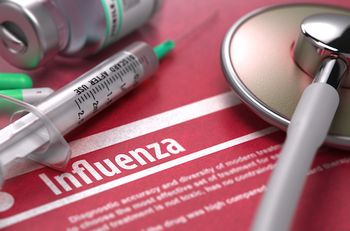
Building on lessons learned from the 2009 influenza A (H1N1) pandemic, the United States Department of Health and Human Services has released its updated Pandemic Influenza Plan for 2017-2027.
Otto Schwake, PhD, postulates how Legionella might get into automobile windshield washer fluid and if there is any way to prevent it.
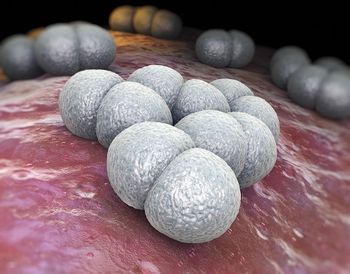
The CDC examines the high incidence of meningococcal disease in the “meningitis belt,” found within sub-Saharan Africa, and the efforts of the Meningitis Vaccine Project to monitor the impact of a meningococcal A conjugate vaccine.
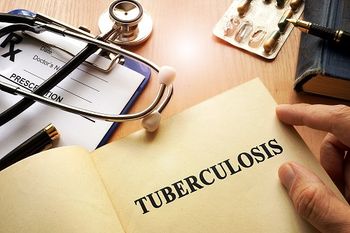
The results of a new study suggest a link between vitamin A and tuberculosis.
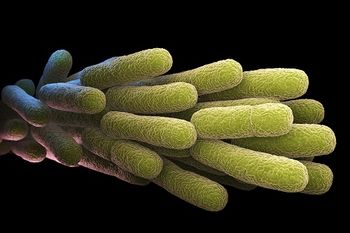
The Centers for Disease Control and Prevention recently released a report on the cases of 2 infants who contracted Legionnaires’ disease during water births.
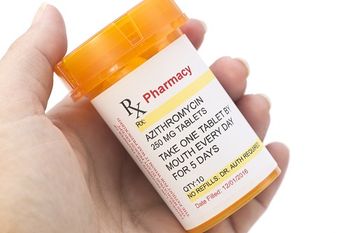
Recent research shows no clinical benefits from adding azithromycin to standard treatment for adults who presented to emergency departments with acute asthma exacerbations requiring a corticosteroid course.
Jason Pogue, PharmD, BCPS-ID, Clinical Pharmacist, Infectious Diseases, Sinai-Grace Hospital, explains why Pseudomonas aeruginosa is one of the World Health Organization’s critical priority pathogens for new research and development priorities.
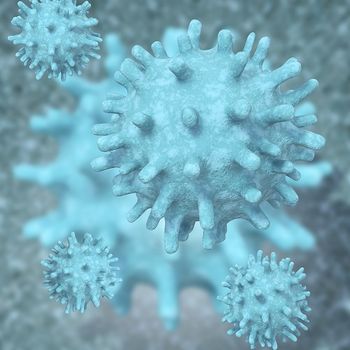
NIAID researchers have discovered that a rare genetic mutation can increase susceptibility to catching human rhinoviruses.
The impact of viruses on community-acquired pneumonia seems to be greater than initially realized and the use of procalcitonin may help distinguish infection type for appropriate treatment.
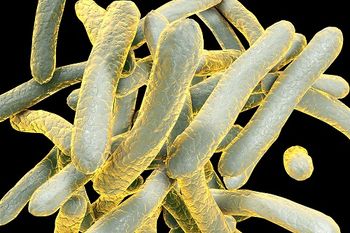
Researchers from Yale University have found a way to make mycobacteria more susceptible to antibiotics.
Jason Gallagher, PharmD, BCPS, FCCP, FIDSA, explains the importance of antimicrobial susceptibility testing.

In case you missed them, here are our top 5 articles for the week of May 28, 2017.
Otto Schwake, PhD, explains what led him to suspect automobile windshield washer fluid as a potential source of transmission for Legionella.

In New Orleans, The American Society of Microbiology 2017 annual meeting started with 3 distinct speakers.

Research presented at the 2017 American Thoracic Society International Conference reports that treatment with antibiotics failed in 1 in 4 adult patients who present with community-acquired pneumonia in the outpatient setting.
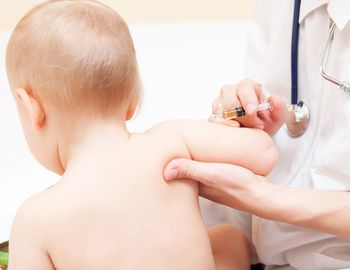
A research team headed by Carl D’Angio, MD, a physician in the Department of Pediatrics at the University of Rochester Medical Center in Rochester, New York, compare flu vaccine response in PT versus FT infants.
Researchers from the University of Toronto evaluated 82 patients under 18 years of age from Toronto, Ottawa, Montreal, and Quebec.

In case you missed them, here are our top 5 articles for the week of May 14, 2017.
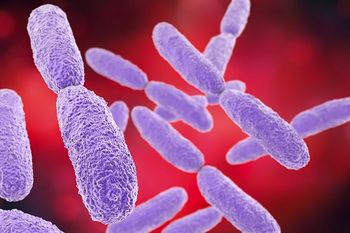
Researchers at Houston Methodist Hospital have identified that a surprising percentage of Klebsiella pneumoniae infections at their facility are caused by uncommon strains of the pathogen.

CDC researchers have found that an invasive serotype of Streptococcus pneumoniae belonging to nonvaccine serotype 35B has recently emerged.

In case you missed them, here are our top 5 articles for the week of May 7, 2017.

A new study sheds light on the mechanisms behind the development of emphysema in 30% of HIV-positive individuals.