

Zoonotic & Vector-Borne Diseases
Latest News
Advertisement
Latest Videos























































































































































Advertisement
More News
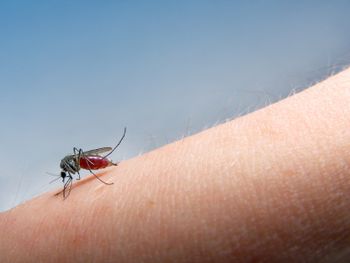
With the arrival of summer in the United States, health officials are reminding the public to take precautions to avoid West Nile virus.
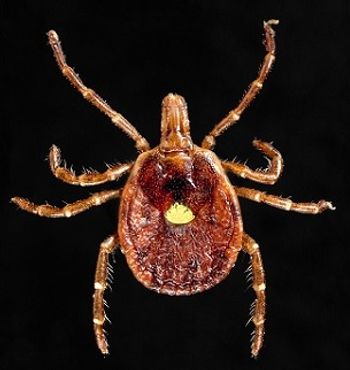
A team of investigators at Washington University School of Medicine used favipiravir to cure Bourbon virus in a mouse model.
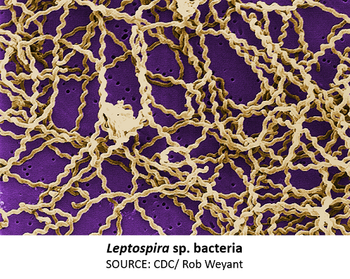
The Leptospira genus is much more diverse than previously thought, according to a new analysis.
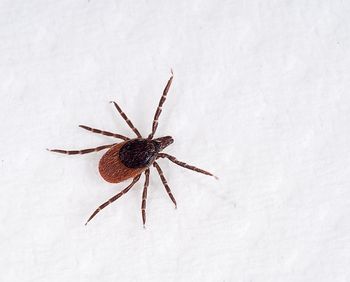
The cases are concerning, especially after 1 death was reported in 1 of the infected individuals, although it’s not clear whether the rare tick-borne Powassan virus was directly responsible.
Over 300 people are under surveillance after 1 confirmed case of Nipah virus in India.

Infections transmitted by these bloodsucking species are on the rise worldwide.
The experimental drug protected 4 African green monkeys following a lethal dose of Nipah virus in a study conducted by NIAID, CDC, and Gilead investigators.

ZIKV Detect 2.0 IgM Capture ELISA is the first diagnostic test authorized to detect Zika virus immunoglobulin antibodies in human blood and was previously available under Emergency Use Authorization.
According to the CDC, 28% of the Salmonella cases in this outbreak occurred in children under the age of 5 years.
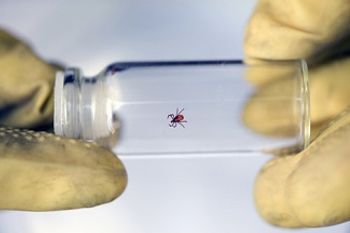
Plague. West Nile Virus. Zoonotic influenza. What else made the CDC list of the top 8 zoonotic diseases of most concern in the US?
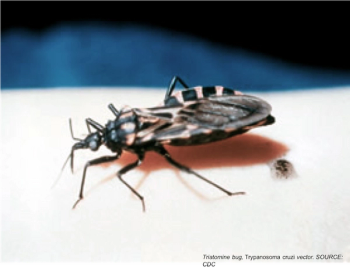
Triatoma sanguisugas, an insect also known as a “kissing bug,” can transmit the parasite Trypanosoma cruzi, which causes Chagas disease.

The FDA has approved the Dengvaxia vaccine for the prevention of dengue disease in children 9 to 16 years who have laboratory-confirmed previous dengue infection.
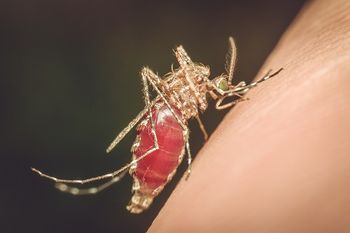
Johns Hopkins symposium will highlight new challenges and approaches in the fight against the mosquito-borne disease.

In a symposium at ECCMID 2019, Giovanni Rezza, MD, highlighted the growth of tropical outbreaks occurring in Europe and discussed how warmer temperatures may lead to more frequent tropical outbreaks.
Investigators used computer algorithms to predict primate species likely to be positive for Zika virus in Central and South America.
Contagion® is reflecting on the advancements in treatment and prevention that have been made in infectious diseases while identifying areas that need further improvement to reduce preventable deaths globally.
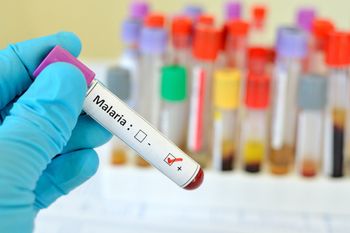
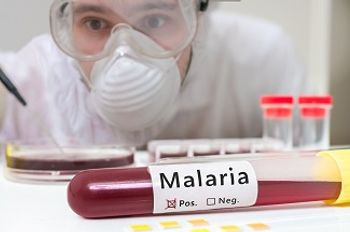
The CDC has released new guidance on the treatment for severe malaria following the manufacturing discontinuation of the only FDA approved IV antimalarial.
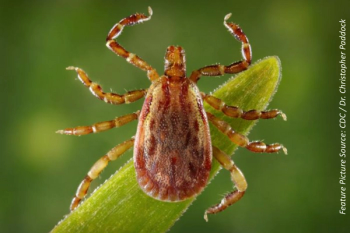
An analysis of spotted fever rickettsiosis epidemiology has found that only 1% of cases reported between 2010 and 2015 met the criteria for a confirmed case.
Deep-dives into Zika virus exposures shed light on how we can protect lab workers.
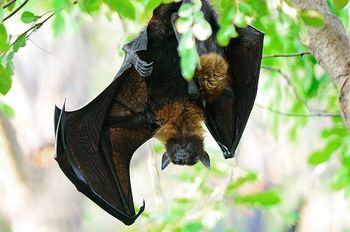
Solving a years-old mystery, investigators have discovered that MHC-II molecules can provide a gateway for bat influenza to infect human cells.
Powassan virus counts in the United States have been on the rise over the last decade, and now a new study sheds light on how ticks rapidly transmit the rare disease.
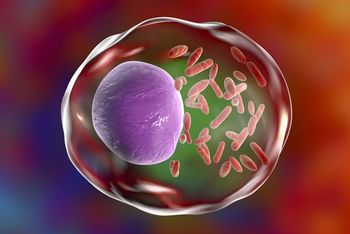
Rats and other pests pose significant problems for urban areas in the US.
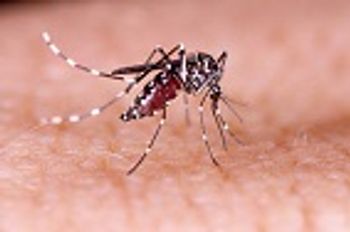
As several Zika virus vaccine candidates undergo clinical trials, a group of investigators is taking an alternate approach to quell transmission by genetically engineering mosquitoes to be resistant to the virus.
The FDA has approved triclabendazole (Egaten) for the treatment of fascioliasis, a neglected tropical disease in patients 6 years of age and older
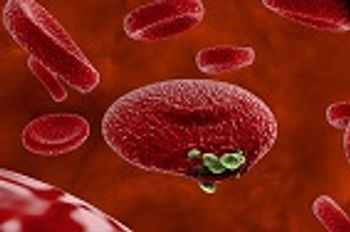
Single-dose tafenoquine shows promise for the radical cure of P vivax malaria, according to two new studies published in the New England Journal of Medicine.
Advertisement
Advertisement
Trending on Contagion Live
1
Cefiderocol-Xeruborbactam Active Against Carbapenem-Resistant Bacteria
2
Pritelivir Cuts Hospital Days in Refractory HSV in Phase 3 PRIOH-1
3
Zelicapavir Shortens RSV Symptoms Despite Missing Primary End Point
4
Measles Update: October 23, 2026
5