




Zoonotic & Vector-Borne Diseases
Latest News
Advertisement
Latest Videos







































































































































































Advertisement
More News
The company is planning to use its mRNA platform to develop the vaccine for malaria, which is the same successful technology it harnessed for its COVID-19 vaccine.

The federal agency gives nod for fexinidazole as the first all-oral treatment for the parasitic illness.
The number of deaths from malaria jumped by more than 100,000 in 2020 as antimalarial efforts were curtailed by the need to respond to the coronavirus disease 2019 pandemic.
Smithsonian researchers lead charge for enhanced method to identify pathogen threats before they emerge from natural environment.
TAK-003, from Takeda, is showing slightly improved protection among seropositive participants through its 36-month follow-up.

New data indicates failed parasite clearance among Rwandan children is linked to a mutation also observed in southeast Asia.

Infectious diseases are emerging at an alarmingly rapid pace, faster than any other time in human history.

TicoVac will be decided on for both pediatric and adult people at risk of the tick-borne virus in August.

Dr. Rodney E. Rohde, clinical laboratory scientist, discusses campus reopening as well as his work on rabies eradication.
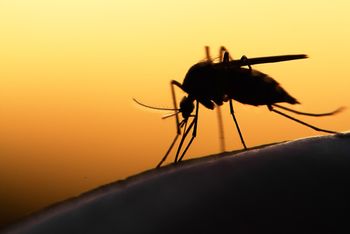
Study suggests climate change may shift which areas in the US have optimal temperatures for West Nile virus transmission.
As children born in 2015-2016 with congenital Zika syndrome age, investigators are gradually able to assess neurodevelopmental outcomes.
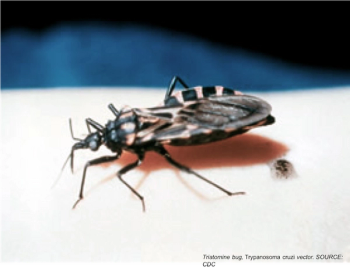
While locally-acquired Chagas disease is rare in the United States, the testing of a blood donation sample led to what is likely the first documented case of the disease in Missouri.
Most US cases of dengue came from patients with a history of travel, according to a new report.
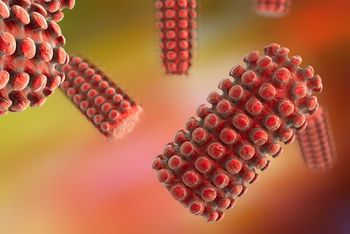
A mass rabies exposure event in Utah in 2018 highlights the need for early recognition, public awareness and rapid public health response to the disease.
The PRIMVAC placental malaria vaccine candidate was found to be safe and immunogenic.
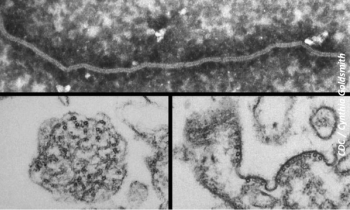
A phase 1 clinical trial suggests that the m102.4 antibody is well tolerated and safe for use as a treatment against henipaviruses.
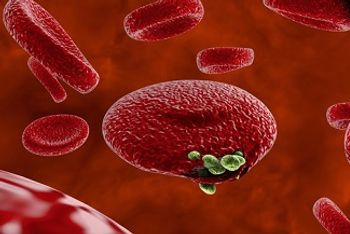
A phase 1 clinical trial sponsored by the National Institute of Allergy and Infectious Diseases will test the safety and effectiveness of monoclonal antibody CIS43LS used as prophylaxis against malaria.

According to new data, the prevalence of birth defects potentially related to Zika virus infection increased fourfold from January through March 2017 when compared with January to March 2016.
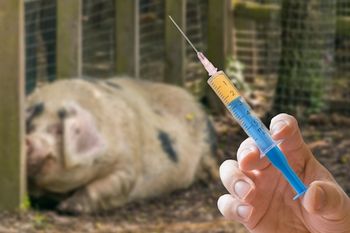
Agencies such as the CDC have taken principles on-board over the past 10 years, better sharing information on outbreaks in both animals and humans.
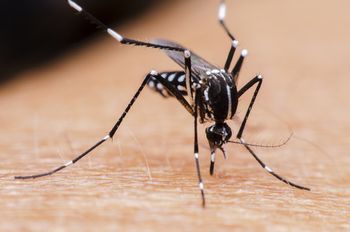
Mosquito-borne viruses can wreak havoc and be exceedingly difficult to track and control. New research suggests one tool to stop outbreaks might be a skin cream that’s already widely available around the world.
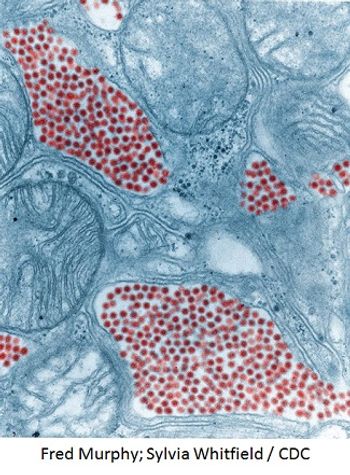
According to CDC data, 34 cases of EEE were recorded in humans in 2019. In total, 94% of patients were diagnosed with encephalitis and 6% were diagnosed with meningitis.

A new study provides detailed description of newly identified BoDV-1 induced encephalitis cases, establishing the infection as a potentially lethal zoonosis which can impact immunocompromised and healthy individuals.

A study in JAMA Pediatrics suggests that infants exposed to Zika in utero who do not show signs of congenital Zika syndrome may still be at risk for abnormal neurodevelopmental outcomes.
Rapid diagnostic tests provide a potential alternative for diagnosis of Chagas disease in the context of material constraints.

A meta-analysis of seroprevalence rates estimates that one-fifth of the world’s population carries antibodies against Toxocara.
Advertisement
Advertisement