
The results of a new study suggest the approach can help stratify patients with the disease.
The results of a new study suggest the approach can help stratify patients with the disease.
The Contagion® editorial staff will be providing exclusive written and video coverage from ID Week 2018.
Julie Ann Justo, PharmD, MS, BCPS-AQ ID, provides examples from her institution about using prediction scores and rapid diagnostic scores in concert.
Barbara Wells Trautner, MD, PhD, explains the difference between asymptomatic bacteriuria and urinary tract infections.
Barbara Wells Trautner, MD, PhD, discusses finding alternatives to fluoroquinolones and facilitating patient communication to improve outcomes.
Ellie J C Goldstein, MD, discusses how physicians need to rely on the data that is available when selecting an antibiotic.
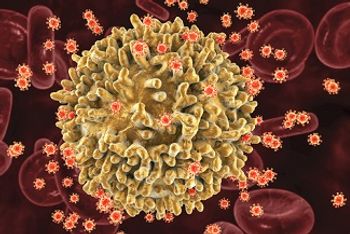
Investigators report results of the first randomized clinical trial to test a novel strategy to wake up and kill dormant HIV hiding in reservoir cells.
Dolutegravir and lamivudine combination regimen met primary endpoint in 2 phase 3 studies of treatment-naïve patients with HIV.
Mosaic-based vaccine regimen maintained humoral and cellular HIV immune responses according to long-term data from APPROACH.
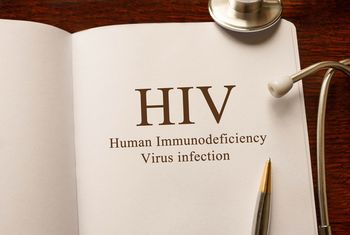
New guidelines on the prevention and treatment of HIV in adults from the IAS-USA Panel highlight advances made since the 2016 guidelines, as well as the need for new strategies.
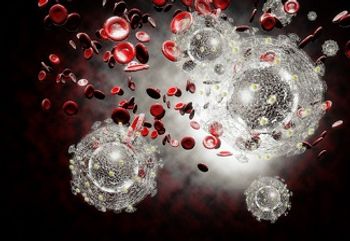
PARTNER 2 study reports zero HIV transmissions over 8 years in gay couples who did not use condoms and had achieved an undetectable viral load on HIV treatment.

How are government agencies working to make food safer?

We're discussing presentations ranging from radiation biodosimetry to rapid viral testing
How would you test patients for radiational exposure in a crisis?
Barbara Wells Trautner, MD, PhD, discusses why physicians are using fluoroquinolones despite the FDA’s warning.
Barbara Wells Trautner, MD, PhD, explains the risk of aortic dissection and aneurysm in patients taking oral fluoroquinolones.

Research presented at the 2018 ASM Microbe Meeting has reinforced the value of the just-approved next-generation aminoglycoside antibiotic, plazomicin, in treating multidrug-resistant Enterobacteriaceae.
Ellie J C Goldstein, MD, stresses the importance of improving transition of care with better communication.

SCY-078 has demonstrated potent activity against Aspergillus and Candida, recent data suggests.
The American Society for Microbiology’s (ASM) annual meeting, held June 7-11, 2018, in Atlanta, Georgia, featured results of numerous studies on and advancements being made in infectious diseases. Here are 5 key takeaways from the meeting.

Stay up-to-date on the latest infectious disease news by checking out our top 5 articles of the week.

Single-dose vaccines delivered via a new technology platform may offer full protection against Zika, Lassa fever, and Ebola.

IMI/REL was effective against isolates from the United States and Europe.

Researchers find that Treg cells could be vital in protecting infants in the womb from mother-to-child HIV transmission.

Researchers from the Chang-Gung Memorial Hospital find that half of influenza cases in patients admitted to the ICU received a false-negative rapid influenza antigen test.
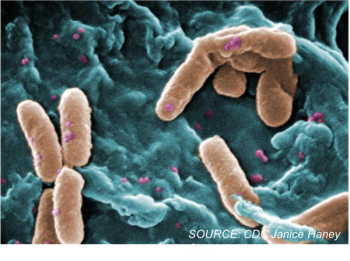
In the past 17 years, the number of hospitalizations due to cUTIs has risen by 50%.
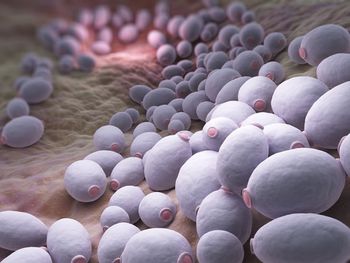
Emerging Candida species prove capable of virulent spread in health care facilities, leading to outbreaks.
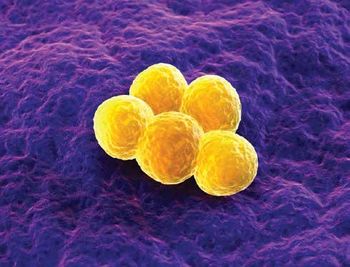
Pooled analyses of 2 phase 3 trials have conclusively established the safety and effectiveness of iclaprim compared to vancomycin in the treatment of acute bacterial skin and skin structure infections (ABSSSI).

The President’s Forum at this year’s ASM Microbe meeting opened the eyes of many in the audience to the capacity of microorganisms to evolve.
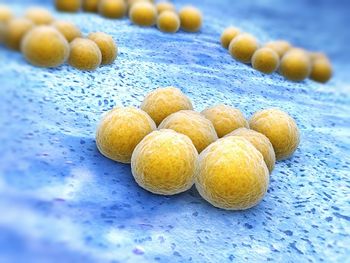
The incidence of IE was lower in patients having a lower white blood cell count and lower numbers of platelets.