

Antibiotics
Latest News
Advertisement
Latest Videos
















































































































































Advertisement
More News

The study found that that acute care hospitals with a 20% reduction in fluoroquinolone or third and fourth generation cephalosporins had a “corresponding decrease” in hospital-onset C diff.

Clinicians who avoid writing antibiotics prescriptions for elderly patients with urinary tract infections may be putting those patients at risk for bloodstream infections.

Hospitals that try to discourage the use of fluoroquinolones succeed at lowering prescriptions for patients admitted to the hospital, but many of those patients still leave with prescriptions for fluoroquinolones at discharge.

Investigators in Denmark showed that a cocktail of common antibiotics could fight resistant E coli and treat urinary tract infections after determining that resistance toward 1 drug leads to sensitivity to another.
T2 Biosystems, Inc. received FDA Breakthrough Device Designation for its T2Resistane Panel, a new device to aid in the fight against antimicrobial resistance.

Jason Gallagher, PharmD, FCCP, FIDP, FIDSA, BCPS, kicks off his second year as editor-in-chief by welcoming 6 industry experts on as section editors.
Antibiotic prescription following ventilation in children with RSV-LRTI was associated with a 1.21-day shorter duration of ventilation and a 2.07-day shorter length of hospital stay.

Evidence suggests AUC-guided vancomycin dosing is a safer method than traditional trough-guided dosing.

The FDA has finalized its guidance on how to synchronize development of antimicrobials and antimicrobial susceptibility test devices.
An oral alternative for patients requiring broad-spectrum therapy in this era of resistance.
Duration of Antibiotic Therapy for Uncomplicated Gram-Negative Bacteremia: Seven Is the New Fourteen
The treatment duration for uncomplicated gram-negative bloodstream infections (BSIs) has traditionally ranged from 7 to 14 days. However, recent retrospective studies and meta-analyses have observed no differences in clinical outcomes in patients treated with shorter courses compared with prolonged courses, especially with urinary sources of infection.

A phase 3 trial has been approved for SPR994, a candidate being developed as an oral carbapenem antibiotic for the treatment of cUTIs.

A next-generation phenotyping system is seeking to revolutionize antibiotic susceptibility testing in an effort to begin treating patients faster and to combat antibiotic resistance.
Health system continues to lead the way in stewardship; hopefully more will follow.
A large percentage of individuals with a documented allergy to penicillin can actually be treated safely with this class of antibiotics. It just requires careful evaluation and management on the part of health care providers.
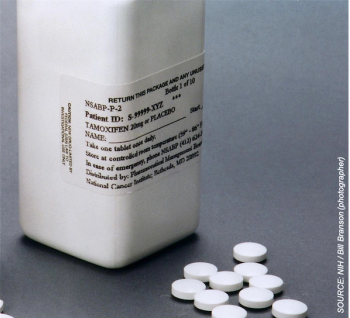
The results of a new study on drug repurposing indicate that the process may bring new hope in the battle against infectious diseases.
In a new study, researchers with the US Department of Veterans Affairs found that metronidazole is as effective as vancomycin for treating mild cases of Clostridium difficile infection, despite new guidelines no longer recommending metronidazole.
Jason Gallagher, PharmD, FCCP, FIDP, FIDSA, BCPS, reflects on 2018 and his first full year as Contagion®'s editor-in-chief.

A novel study from Seddon and colleagues adds to the body of evidence that supports what antimicrobial stewardship programs are so often challenged to do, early de-escalation.
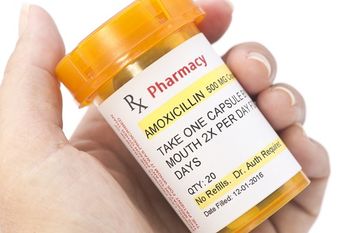
Patients with uncomplicated gram-negative bacteremia respond just as well to a 7-day course of antibiotics as they do a 14-day regimen, according to a new study.

Investigators use Salmonella strains to test accuracy and resistance.

Providers in other states can learn from this multiorganization collaborative that aims to improve antimicrobial utilization and prevent the emergence of antimicrobial resistance across South Carolina.

Dr. Goff and Mr. Nosta discuss how to use Twitter to communicate about infectious diseases and antimicrobial stewardship.

A collaborative, international effort aims to answer tough antimicrobial resistance questions.

Is it time to screen for these bacteria and modify colorectal surgical prophylaxis?
Advertisement
Advertisement
Trending on Contagion Live
1
Early Dual Therapy Shortens Staphylococcus aureus Bacteremia in SABEDTIO Trial
2
Pritelivir Cuts Hospital Days in Refractory HSV in Phase 3 PRIOH-1
3
Ebola Update: DRC Outbreak Reaches 9735 Cases, Second Largest on Record
4
Novel RSV Therapy: Addressing a Clinical Need
5