


Antibiotics
Latest News
Advertisement
Latest Videos


























































































































































Advertisement
More News

Stay up-to-date on the latest infectious disease news by checking out our top 5 articles of the week.
Aerosolized antibiotics are a reasonable adjunctive option to treat multidrug-resistant gram-negative pneumonia due to excellent pulmonary concentrations and few adverse effects.

Since its implementation in December 2016, use of a ceftolozane-tazobactam order set at Marin General Hospital has advanced antimicrobial stewardship efforts.

Contagion® editor-in-chief, Jason C. Gallagher, PharmD, FCCP, FIDSA, BCPS, affirms that the health care industry needs to hit the reset button on how antibiotics are developed.
In addition to other updates, new breakpoints have been added for cefiderocol and meropenem-vaborbactam.

Gram-positive multidrug-resistant infections may be managed effectively with a single dose of long-acting lipo­glycopeptide antibiotics in the outpatient setting; however, careful patient selection is important for maximizing the cost-benefit of these relatively expensive drugs.

Targeting stewardship interventions to the morning hours may have a greater impact than afternoons and nights.

Ellie J C Goldstein, MD, discusses how physicians need to rely on the data that is available when selecting an antibiotic.

Gram-negative organisms are showing up at higher rates in seriously ill pneumonia patients. What are the best antibiotics to prescribe, given the real risk of death and the need to avoid contributing to drug resistance?

Julie Ann Justo, PharmD, MS, BCPS-AQ ID, discusses the source of prediction scores and how antimicrobial stewards work in concert with other clinicians to develop prediction scores.
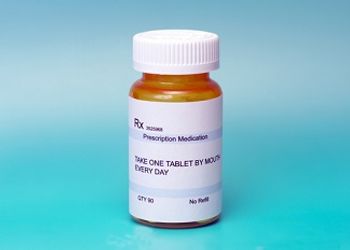
Alternative agents are often broader spectrum than ß-lactams, subjecting patients to collateral damage and subsequent selection for resistant organisms and Clostridium difficile.

A new review finds antibiotics aren’t effective for osteomyelitis in sacral pressure ulcers where the bone is exposed.

New data indicate that urgent care centers prescribed antibiotics for 45.7% patients with respiratory infections associated with inappropriate antibiotic prescribing.
Stay up-to-date on the latest infectious disease news by reading the top 5 articles of the week.

A new study conducted by Tufts University School of Medicine identifies gender-specific signatures in gonorrhea infection as well as resistant genes.

Patients receiving home-based outpatient parenteral antimicrobial therapy who are female and have comorbidities are more likely to have worse outcomes, new research finds.

Although challenging, it is not impossible to change some outlier behaviors.

Research presented at the 2018 ASM Microbe Meeting has reinforced the value of the just-approved next-generation aminoglycoside antibiotic, plazomicin, in treating multidrug-resistant Enterobacteriaceae.
Because of the global rise in antimicrobial resistance, meropenem-vaborbactam, the first carbapenem/β-lactamase combina­tion medication, is a welcome new antibac­terial.

The new edition is fully electronic and makes key changes related to antimicrobial resistance and HIV.
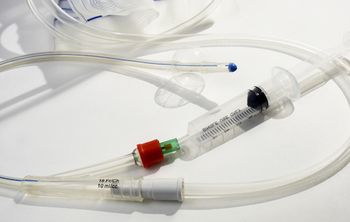
Catheter-associated urinary tract infections (CAUTIs) account for about 40% of all nosocomial infections in hospitals and nursing homes.
Patient and institutional history, as well as the individual niches of the new antibiotics, need to be considered when selecting a treatment for gram-negative infections.
Several recent studies provide valuable insight surrounding the appropriateness of transitioning from intravenous to oral therapy when treating bacteremic urinary tract infections.

Advertisement
Advertisement
Trending on Contagion Live
1
Early Dual Therapy Shortens Staphylococcus aureus Bacteremia in SABEDTIO Trial
2
Pritelivir Cuts Hospital Days in Refractory HSV in Phase 3 PRIOH-1
3
Ebola Update: DRC Outbreak Reaches 9735 Cases, Second Largest on Record
4
Novel RSV Therapy: Addressing a Clinical Need
5