


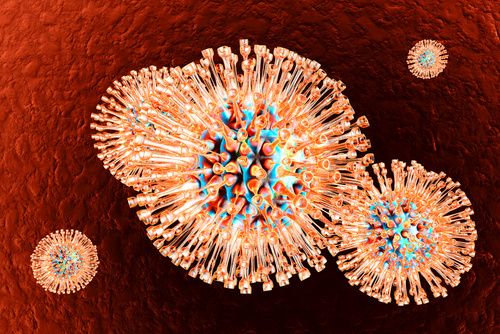


































































































































A new study conducted by University of Texas Health Science Center at Houston investigators finds that male virgins can still acquire HPV, underscoring the need for vaccination.
A new study conducted by University of Texas Health Science Center at Houston investigators finds that male virgins can still acquire HPV, underscoring the need for vaccination.

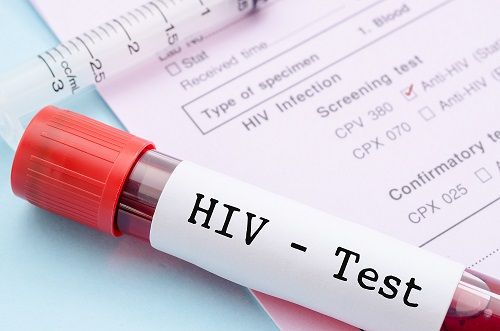
Investigators from the Duke Human Vaccine Institute have developed a binding assay capable of more accurately identifying new versus long-standing HIV infections.
Anal high-risk human papillomavirus (HPV) infections are known to lead to anal cancer.

Vitamin D is known to boost bone health, but a recent study demonstrates that it has little impact on the metabolic side effects of a newly begun antiretroviral therapy (ART) regime.

In case you missed them, we've compiled the top 5 articles from this past week.
A new study from investigators at Drexel University revealed that if 25% of high-risk men who have sex with men appropriately used the pre-exposure prophylaxis (PrEP), 3 out of every 10 HIV infections in this population could be prevented.
Pedro Cahn, MD, shares the results found after 96-weeks of follow-up for the onceMRK Phase 3 clinical trial.

Investigators from George Mason University have developed another diagnostic method for tuberculosis (TB), a highly sensitive and specific urine test.
A new study compares the long-term effects of combination ART (cART) initiation during primary HIV infection with therapy initiation during chronic HIV infection.
Jake Glaser describes how recent advances against HIV & AIDS have affected the philanthropic community.
However, findings from the study may provide a roadmap for future analyses of immune-based interventions seeking to relieve HIV patients of the lifelong burden of daily medication intake and enhance viral suppression.

Stay up-to-date on the latest infectious disease news by checking out our top 5 articles of the week.

As the population of people living with HIV infection is living longer, age-related health issues are affecting these individuals in an accelerated or emphasized fashion.
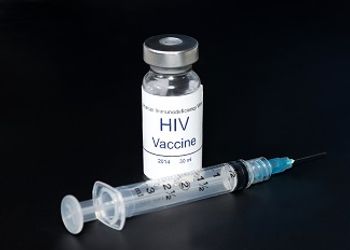
Investigators are hopeful that the global vaccine candidate will prevent a wide range of strains of the virus.
Investigators are finding that a 4-days-a-week regimen of antiretroviral therapy (ART) may be as safe and effective as daily therapy in treating HIV, while keeping costs down and lowering risks of side effects.
Jake Glaser explains the challenges faced when fundraising for AIDS programs in the 21st century.
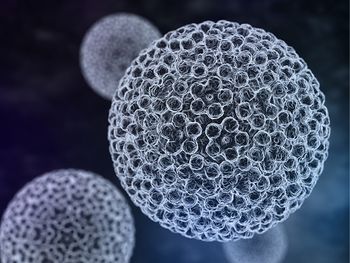
After 2 years, the risk for these men dropped only slightly, making them 14 times more likely to be reinfected.
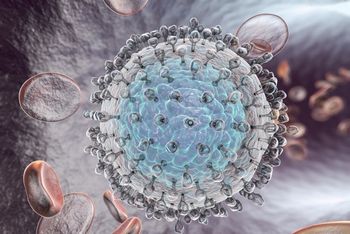
A new study examines HCV treatment uptake in HCV patients coinfected with HIV.

A new announcement marks the elimination of mother-to-child HIV transmission in 6 Caribbean territories and states

Stay up-to-date on the latest infectious disease news by checking out our top 5 articles of the week.
The National Institutes of Health (NIH) have announced plans for a new trial testing the effectiveness of the injectable pre-exposure prophylaxis (PrEP) drug, cabotegravir, in sexually-active women.
Jake Glaser shares who he feels is going to end the AIDS epidemic.
Although much has changed since the first World AIDS Day in 1988, the effects of the disease on public health remain significant, even as more individuals are “living” with the virus and fewer are dying from it.
Jake Glaser shares what is needed to achieve the Fast-Track strategy to end the AIDS epidemic by 2030.
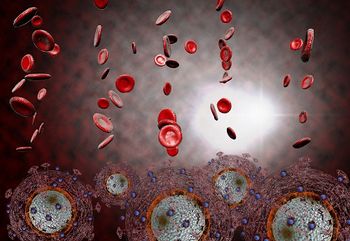
Individuals with cancer and HIV used to be excluded from clinical trials due to safety concerns, but new positive results open up treatment avenues for this population.