
















































































































































The results of a new study show that patients who are co-infected with the hepatitis C virus (HCV) and HIV can experience cure rates similar to individuals infected with HCV alone when both groups receive direct-acting antiviral drugs.
The results of a new study show that patients who are co-infected with the hepatitis C virus (HCV) and HIV can experience cure rates similar to individuals infected with HCV alone when both groups receive direct-acting antiviral drugs.

The FDA has just approved the first two-drug regimen for treating certain individuals living with HIV.

We cover 10 things you need to know about HIV viral suppression, according to the National Institute of Allergy and Infectious Diseases.
According to a recent dispatch from the Centers for Disease Control and Prevention, a drug-resistant strain of Neisseria gonorrhoeae was found in Canada this year.
Treatment with a protease inhibitor plus raltegravir was found to offer no benefit over a protease inhibitor plus nucleoside reverse-transcriptase inhibitor regimen in patients with HIV.

The American Academy of HIV Medicine (AAHIVM) has partnered with the All of Us Research Program, part of the National Institutes of Health, to join in efforts to raise awareness about the program.
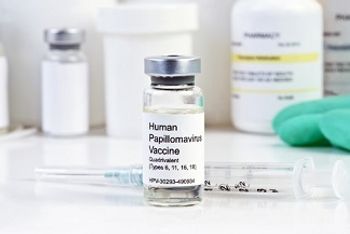
Researchers have found that human papillomavirus (HPV) vaccine may also protect against recurrent respiratory papillomatosis, a rare, but incurable childhood respiratory disease.

Clinicians should counsel individuals with HIV on avoiding health-related behaviors that may alter their gut microbiota and instead practices those that may decrease inflammation.
The FDA has approved the first sensor-equipped pill capable of digitally tracking whether patients are adhering to their prescribed medications.
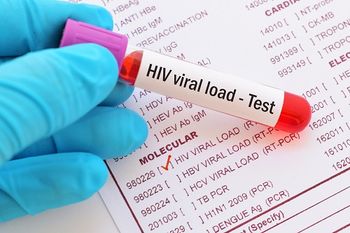
Studies have proven that undetectable levels of HIV mean an individual cannot transmit the virus to someone else. Now the word needs to spread.

Although a once-daily pill to prevent HIV exists, US populations at highest risk have the lowest rates of usage.

In a story that could be straight out of the 1980s, health officials in the state of West Virginia have stated they are dealing with a major outbreak of HIV infections in the southern part of the state.

Remembering the links between infectious diseases such as influenza and HIV, among others, and mental health can improve patient outcomes.
Recent data demonstrated that small doses of raltegravir could lead patients developing malignancies; however, the observations had not yet been substantiated.
Obesity is found to be a driver of this process.
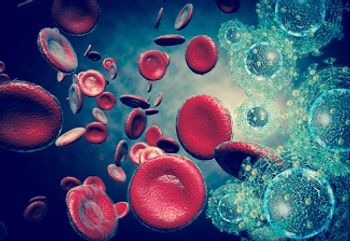
Dolutegravir seemed to be a promising maintenance monotherapy for people living with HIV, but the development of resistance mutations in testing strikes it from the list.

A new study has shown that women with schistosomiasis are at greater risk for HIV infection.

In case you missed them, we've compiled the top 5 articles from this past week.
After 1 week of treatment, heavily treatment-experienced (HTE) patients who received fotemsavir, added to a failing regimen, had a greater reduction in viral load than patients on placebo.
The pivotal phase 3 AMBER study regarding the safety and efficacy of the investigational darunavir-based single tablet HIV regimen has achieved its primary endpoint.
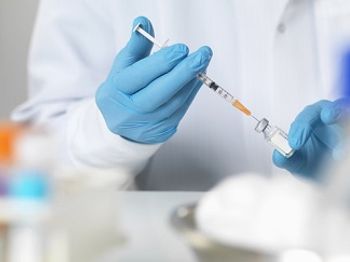
Although there have been important improvements to existing vaccines, the list of vaccine-preventable diseases has barely changed at all in over two decades.

Stay up-to-date on the latest infectious disease news by checking out our top 5 articles of the week.

A pair of papers published in the Journal of Infectious Diseases highlight the effort to fight and monitor drug-resistant HIV, which poses a threat to achieving the global targets designed to end the AIDS epidemic.

Based on WHO guidelines for tuberculosis screening, many individuals who don’t have the disease are sent for expensive confirmatory testing. A simple point-of-care blood test could change all of that.
A recent study has found that 1 in 9 men living in the United States have oral HPV.