











































































































































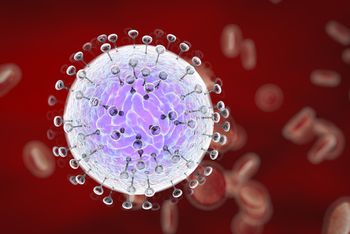
Florida reports first case of sexually-transmitted Zika of 2017, while funds continue to be released for new research efforts against the virus and tests to aid in rapid diagnosis.
Florida reports first case of sexually-transmitted Zika of 2017, while funds continue to be released for new research efforts against the virus and tests to aid in rapid diagnosis.
Hanneke Schuitemaker, PhD, explains what makes Janssen’s new HIV-1 vaccine regimen unique.
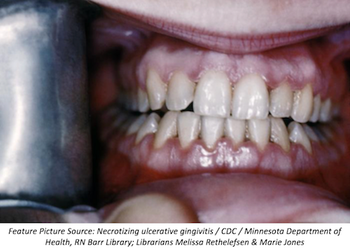
Researchers report a case of undiagnosed HIV infection that first presented as necrotizing ulcerative stomatitis.

A recent study takes a closer look at statin use in HIV-positive patients who are taking protease inhibitors.

New HIV drugs, vaccine regulations in France, correlations between intestinal viruses & type 1 diabetes, the susceptibility of Florida mosquitoes to transmit chikungunya, and an evaluation of the risk of hepatitis B reactivation in veterans on direct-acting antiviral therapy make up our Top 5 articles for the week of July 30, 2017.
A recent study showed that most migrants to European countries acquired their HIV infections in their host countries, particularly those from Latin America and the Caribbean.
Alex Rinehart, PhD, Director, Global Prevention Strategy, ViiV Healthcare, explains what makes cabotegravir a unique medication for HIV.
Kenneth Mayer, MD, explains why primary care providers need to have a good sense of their patients in order to help them decide if PrEP is right for them.

The relationship between temperature and incidence of surgical site infections, progress towards an HIV vaccine, the cleanliness of your stethoscope, an explanation on how infection rates at Stanford Hospital are a canary in a coal mine, and an interactive visual map that depicts the HIV epidemic in the United States, make up the Top 5 news articles for the month of July 2017.
Introducing HIV screening in primary care offices has the potential to save lives and decrease the costs associated with treatment by increasing rates of early diagnosis.
In a recent editorial, Matthew Barnhart MD, MPH, medical officer for the US Agency for International Development (USAID) explored 5 new HIV drugs that are in the pipeline.
Benjamin Young, MD, PhD, discusses the four partners behind the Fast-Track Cities Initiative.
Pedro Cahn, MD, explains the new formulation of raltegravir HD.
Kathleen Squires, MD, explains how HIV treatment has changed since the 1980s.
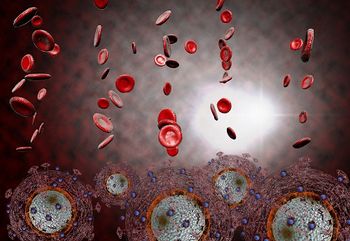
Nader Pourhassan, PHD, president and chief executive officer of CytoDyn, the biotechnology company that acquired PRO 140, offers insight into the antibody as treatment for HIV.
Lynne Mofenson, MD, shares an update on the health burden of mother-to-child transmission (MTCT) of HIV.
Jake Glaser discusses how generating interest for the response to HIV and AIDS has changed since the 1990s.
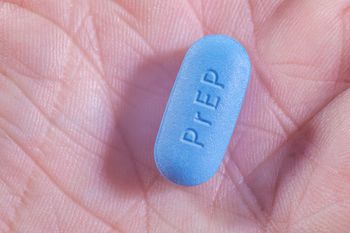
Due to concerns that the use of PrEP might hinder clinicians from detecting HIV in infected individuals or lead to the development of resistant strains of HIV, scientists studied how PrEP affects seroconversion after HIV is acquired.
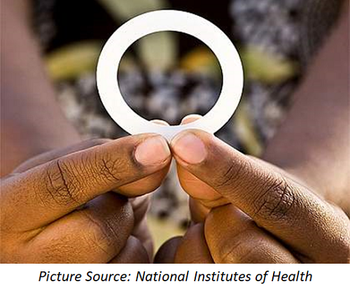
A phase 2a clinical trial has found the dapivirine vaginal ring to be a safe and acceptable means for HIV prevention in adolescents, who showed notably high adherence when using the ring.
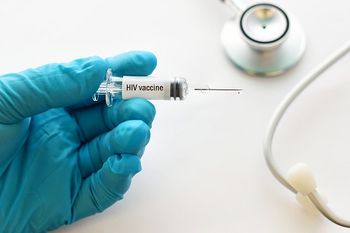
The NIH has released the findings of the first of 2 early-stage clinical trials on assessing the safety and effectiveness of HIV candidate vaccinations that support additional development of vaccines.
As the IAS Conference on HIV Science wraps up this week, this Public Health Watch report takes a closer look at the challenges that remain when it comes to treating HIV.
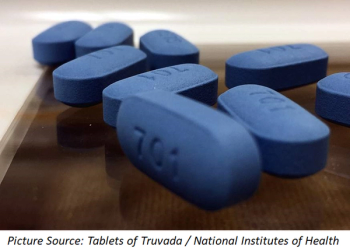
Phase 2 study finds that the use of daily oral Truvada as a means of HIV prevention is safe and acceptable.
Peter Williams, PhD, discusses the LATTE-2 trial for HIV treatment.
Magda Opsomer, MD, explains why darunavir may be more beneficial than other HIV medications.
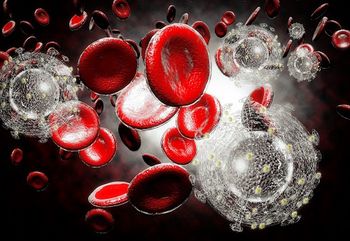
Researchers reported at the 9th IAS Conference on HIV Science that a HIV-infected child who had been treated in infancy has maintained remission without drugs since 2008.