










































































































































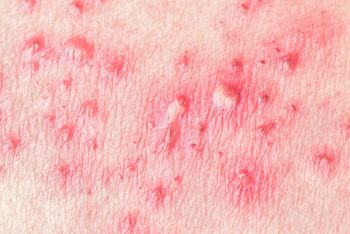
A FDA expert advisory panel voted unanimously to back a new shingles vaccine developed by GlaxoSmithKline: Shingrix.
A FDA expert advisory panel voted unanimously to back a new shingles vaccine developed by GlaxoSmithKline: Shingrix.
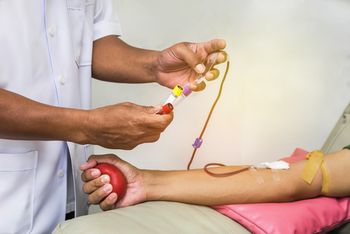
The New York State Department of Health warns of potential disease exposure in two facility locations in Westchester County.
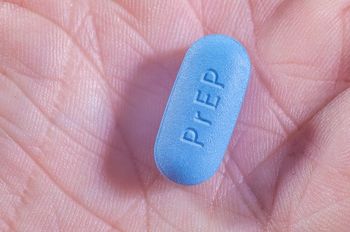
A NIH network study finds that pre-exposure prophylaxis, approved for daily use in adults, can also reduce chances of HIV infection in young male adolescents.

In a new study on factors that make individuals susceptible to infectious diseases, researchers have found that cholesterol-lowering drugs may reduce susceptibility to certain diseases.
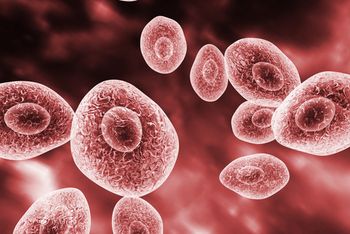
Although the number of fungal infections has fallen in the United States and other developed nations due to the ease of obtaining HIV testing and access to ART, the risk still exists.
Alex Rinehart, PhD, identifies the target population for cabotegravir.
Jessica Justman, MD, shares why the Population-based HIV Impact Assessment Project is so important.

NIH study sheds light on the mechanism behind increased cardiovascular risks for those living with HIV.

Stay up-to-date on the latest infectious disease news by checking out this snapshot of our top 5 articles of the week.
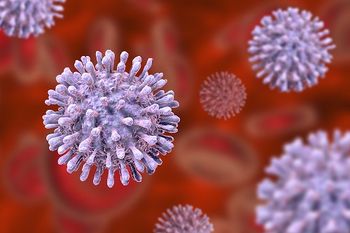
Living longer with HIV means that dying from cancer becomes more of a possibility.
Scientists from Northwestern Medicine use a novel approach to gain a better understanding of the HIV lifecycle.

Aetna, the third-largest insurer in the United States, inadvertently sent HIV-positive patients letters that revealed their HIV status through a large, clear window envelope.
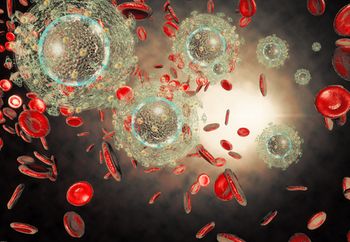
A recent UNC study found that about one-third of HIV-positive patients with low viral loads chose to ignore federal guidelines to begin ART.
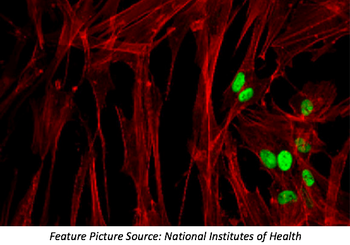
NIAID researchers make an unexpected discovery when examining how a cellular enzyme complex regulates herpesvirus; inhibiting the enzyme suppressed viral infection.

Proton pump inhibitors present risks to all patients, but those with HIV are especially advised to be cautious in using them.
Alex Rinehart, PhD, explains how cabotegravir is a gender-neutral pre-exposure prophylaxis medication.

Dr. Brennan-Ing, ACRIA, shared in a presentation at the 125th Annual Convention of the American Psychological Association that a growing population is being overlooked when it comes to HIV treatment and prevention: older adults.

This week we explore whether or not a national state of emergency and criminalizing opioid abuse will really help to stop the problem.

Researchers from the University of Mississippi report a case of an HIV-positive man with pneumonia due to MRSA who was treated with dalbavancin.
Kenneth Mayer, MD, discusses some societal challenges that at-risk individuals face today that may keep them from taking pre-exposure prophylaxis.

A herpes infection leads to deadly viral meningitis in an Iowa infant, an ingestible smart pill that can remind you to take your medications, global catastrophic biological risks, whether or not you should complete the full course of antibiotics, and all you need to know about Candida auris make up this week’s Top 5 articles.
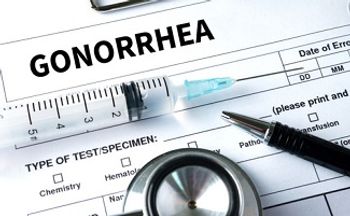
Reports of increasing cases of antibiotic-resistant gonorrhea are on the rise and in fact, the World Health Organization has designated the infection as high priority as it poses a great public health threat.

Newly diagnosed HIV patients have several options when it comes to notifying partners, but assisted partner notification leads to the best outcomes.
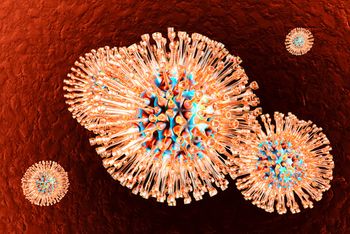
The recent death of an infant in Iowa who got meningitis following exposure to the herpes simplex virus serves as a grim reminder of how dangerous the virus can be for newborns.
Jessica Justman, MD, explains the PHIA Project (population-based HIV impact assessments).