









































































































































Recent research reveals that the composition of a woman’s vaginal microbial makeup—specifically, a preponderance of the bacteria Lactobacillus iners—may mean she’s more likely to be infected with Chlamydia trachomatis.
Recent research reveals that the composition of a woman’s vaginal microbial makeup—specifically, a preponderance of the bacteria Lactobacillus iners—may mean she’s more likely to be infected with Chlamydia trachomatis.
Magda Opsomer, MD, reveals who will benefit from the darunavir single-tablet HIV regimen.
Jessica Justman, MD, shares how the PHIA project is collecting HIV biomarkers in children.

One survey found that fewer than 60% of 18- to 24-year-olds regularly use condoms during sexual encounters.
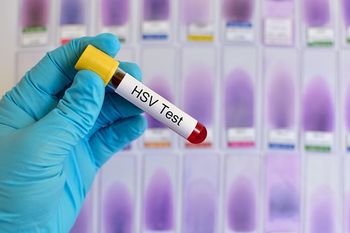
Having herpes simplex 2 puts individuals at greater risk of contracting HIV, and vice versa, largely due to increased genital ulceration and viral shedding.

In case you missed them, we've compiled the top five infectious disease articles from this past week.
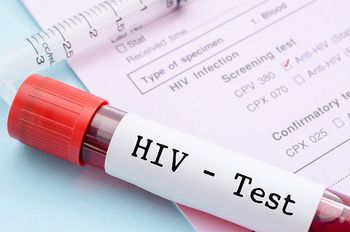
Investigators presented advances in basic and clinical research on infectious diseases and HIV in the past year at ID Week.

The results of a 5-year study show that coffee drinking can cut down the risk of all-cause mortality in patients with HIV and hepatitis C virus (HCV) infections.
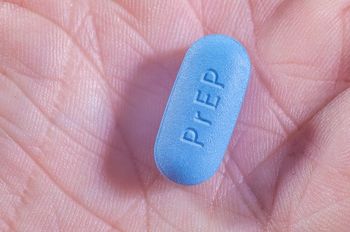
A Phase 2 study showed that maraviroc-containing antiretroviral regimens were generally safe and well-tolerated in a female population.

Stay up-to-date on the latest infectious disease news by checking out our top 5 articles of the week.
Alex Rinehart, PhD, explains how the development of a long-acting injectable offers a new preventive option for HIV.
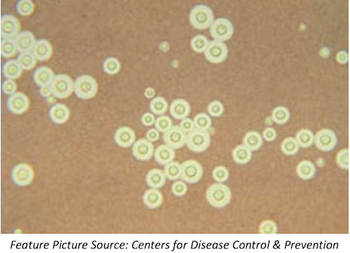
Death rates among HIV-positive patients diagnosed with cryptococcal meningitis were slightly lower when antiretroviral therapy was delayed a few weeks after diagnosis.
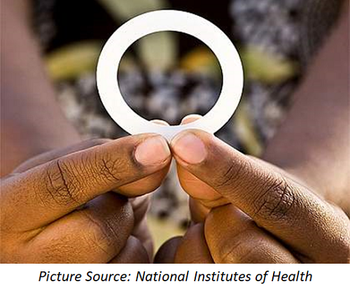
Made of a flexible silicone material, the ring contains dapivirine, a non-nucleoside reverse transcriptase inhibitor that blocks HIV’s ability to replicate inside of a healthy cell.
The CDC’s most recent Sexually Transmitted Disease Surveillance Report shows that the rates of sexually transmitted diseases have reached a record high in the United States.

New research on Zika virus transmission leads some investigators to suggest that the virus should be labeled a sexually transmitted infection.
Case Western Reserve University School of Medicine researchers identify accentuated risks for age-associated comorbidities in those living with HIV.
Hanneke Schuitemaker, PhD, explains the challenges faced when creating a vaccine for HIV.
Magda Opsomer, MD, shares the results of the Phase 3 EMERALD trial for darunavir.
Janssen Research & Development submits a new drug application for a darunavir-based once-daily, single-tablet regimen for the treatment of HIV in adults and adolescents 12 years and older.
Jessica Justman, MD, explains how decision makers can use the Population-based HIV Impact Assessment Project data.

In case you missed them, we've compiled the top 5 articles from this past week.
The transition from youth to adult HIV care is a critical juncture that provides opportunities for continued engagement if handled well. What role should adult care clinics play to maximize the number of adolescents who stay in treatment?

UCLA researchers have shown that using molecular methods to predict susceptibility testing could serve as a new way to monitor drug-resistant gonorrhea.
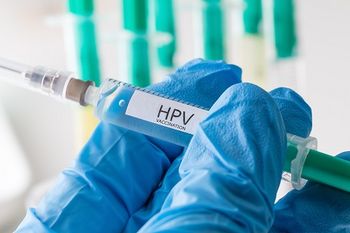
Researchers from the Moffitt Cancer Center find that the newest HPV vaccine protects against 9 cancer-causing strains of the virus.

A report released by the Wisconsin DOH shows a 58% increase in syphilis cases from 2015 to 2016.