

































































































































Stay up-to-date on the latest infectious disease news by checking out our top 5 articles of the week.
Stay up-to-date on the latest infectious disease news by checking out our top 5 articles of the week.

Aetna has agreed to a $17 million settlement of a lawsuit centering around the HIV privacy violation that affected approximately 12,000 of the insurer’s customers in 2017.

A recent study finds that younger patients, women, and white individuals infected with HPV-associated cancers have superior survival at 5 years.

The test combines the convenience of the saliva test with the reliability of the blood test.
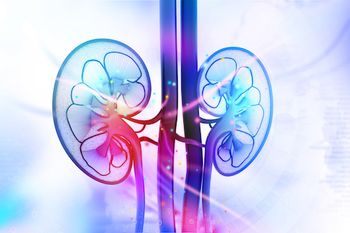
Three medical centers in the United States have now been approved to perform kidney transplants from living HIV-positive donors to HIV-positive recipients. We break down the risks and benefits.

Stay up-to-date on the latest infectious disease news by checking out our top 5 articles of the week.
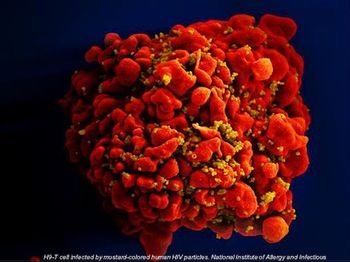
University of Western Ontario investigators have found that the genetic diversity of HIV-1 during early infection is greater in the vaginal tract than in the bloodstream.
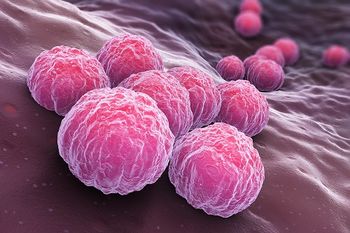
A new article urges researchers and clinicians to consider the possibility that the rise in oral sex practices could ultimately contribute to female infertility when it comes to chlamydia.

Seeing upwards of 85% of children in the United States each year, dentists are key to promoting HPV prevention methods, but more training and education is needed first.
Teva Pharmaceuticals announces an exclusive launch of a generic version of atazanavir capsules for the treatment of HIV.

In case you missed them, we've compiled the top 5 articles from this past week.
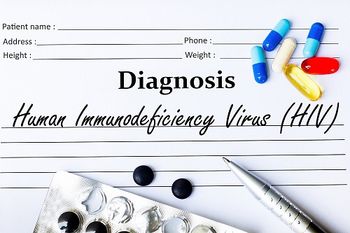
A common birth control shot has been linked with increased risk of HIV infection while NIAID investigators have found that putting ART on pause during a clinical trial might not be as detrimental as first thought.
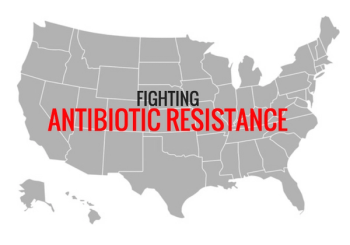
The CDC releases first comprehensive reports on state progress made in the fight against antibiotic resistance since Congress’ investment in CDC’s Antibiotic Resistance Solutions Initiative.

Investigators from the Massachusetts Institute of Technology, Brigham and Women's Hospital, and Lyndra, have developed a drug capsule that could drastically pare down ART to an easier-to-adhere-to weekly regimen.
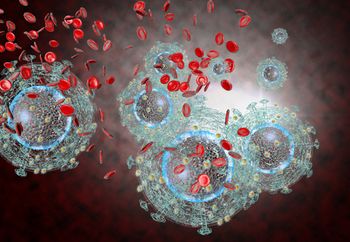
A viral therapy developed to target cancer cells, also appears capable of destroying HIV-infected cells.
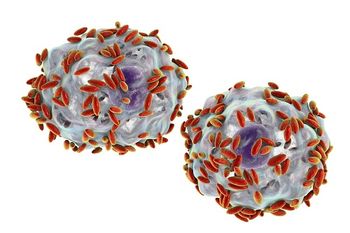
Investigators from the University of California San Diego Medical School report on the first case of Gardnerella bacteremia in an HIV-positive male following the placement of a urinary catheter.

Stay up-to-date on the latest infectious disease news by checking out our top 5 articles of the week.

How many of those who recovered from WWI-associated infections had residual neurological impairments that increased their risk for violence?
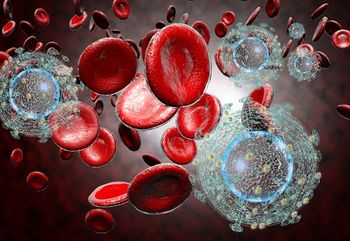
A new study suggests that exposure to drugs and violence in adolescence may increase the risk of HIV infection in adulthood.

Due to living longer and other factors, comorbidities are common in HIV-infected patients on antiretroviral therapy (ART) no matter what type of insurance they have—although some conditions are more prevalent with certain payers.
Check out the top 10 infectious disease articles of 2017.
Pedro Cahn, MD, describes the risk associated with raltegravir HD.
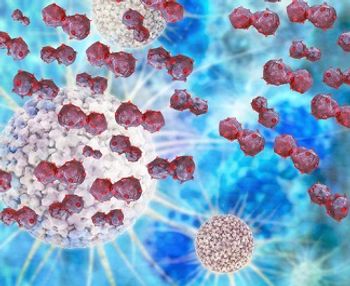
According to a new study, when combatting viruses such as HIV, several enzymes in the immune system may malfunction and cause cancer-related mutations.
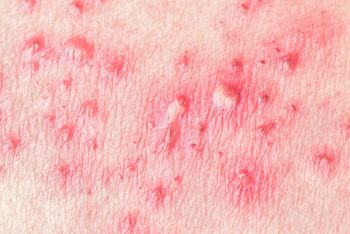
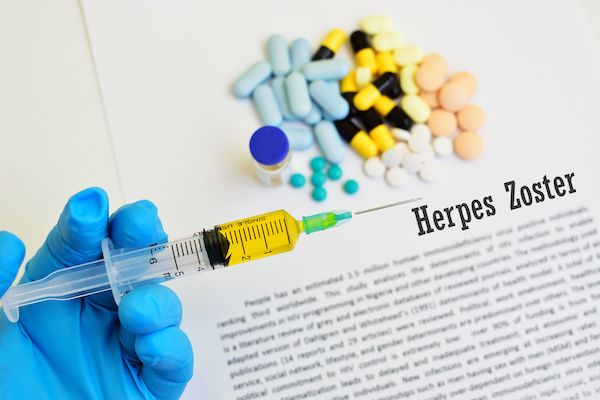
The only way individuals can reduce their risk of getting shingles is to get vaccinated; luckily, a new vaccine has recently been approved by the FDA.

A new study finds that THC found in marijuana could potentially slow the process of neurodegeneration in individuals with HIV.