
































































































In case you missed them, we've compiled the top 5 articles from this past week.
In case you missed them, we've compiled the top 5 articles from this past week.
An ambitious new trial aims to confirm that people living with HIV can be kidney donors to HIV recipients, shortening the time those recipients wait for a transplant.
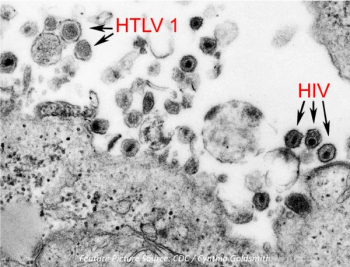
Rates of a lesser known virus related to HIV called HTLV-1 have surged in some of Australia’s Aboriginal communities, and now the country’s health officials are facing a global outcry to act.

Big advances in treatment can’t make up for an inability to stop new infections, which number 5,000 per day worldwide.

A new report by Global Health Technologies Coalition assesses the economic impact of cuts to global health R&D on the economies of US states.
The burden of prostate, breast, and lung cancers among those living with HIV is expected to rise by 2030.
Joseph Eron, MD, explains how integrase inhibitors have dramatically changed HIV therapy for the better.
The World Health Organization has a new way to identify cost-effective measures to address the increasing prevalence of drug-resistant HIV in sub-Saharan Africa.
Colleen Kelley, MD, describes the role of health care providers in linking patients with PrEP.
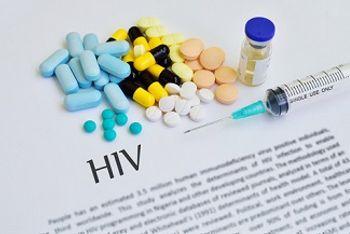
The US Food and Drug Administration (FDA) approved this new intravenously-administered HIV medication for patients who are suffering from multidrug-resistant HIV who have failed other antiretroviral therapies.

In case you missed them, we've compiled the top five infectious disease articles from this past week.
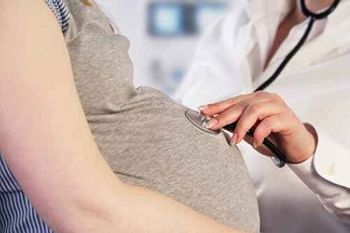
A recent study finds no difference in risk for adverse birth outcomes between 3 antiretroviral regimens taken by pregnant women with HIV, including TDF-FTC-LPV/r, a regimen that has raised safety concerns in a past trial.
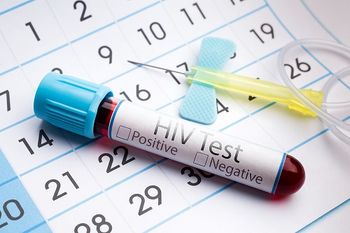
Data from the Behavioral Risk Factor Surveillance System indicate two-thirds of transgender men and women have not been tested for HIV/AIDS.

Stay up-to-date on the latest infectious disease news by checking out our top 5 articles of the week.
Women living with HIV are at elevated risk for comorbidities as their life expectancy increases.
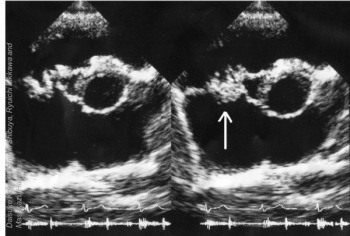
Infections associated with the ongoing opioid epidemic in the United States apparently know no bounds.
More than 2 million cases of gonorrhea, chlamydia, and syphilis were diagnosed in 2016, the highest number of those sexually transmitted infections (STIs) ever reported.
Unique considerations are called for when caring for intravenous drug users with newly diagnosed HIV/HCV coinfections.
Study results confirm both drug regimens are solid choices for many patients with HIV.
On National Youth HIV/AIDS Awareness Day we take a closer look at how the HIV/AIDS epidemic impacts younger individuals and what can be done to cut back on new diagnoses.
Although resistant strains have been reported sporadically, in recent years, there have been no reports of what an international team of researchers has described as “sustained transmission”—until now.

Results from a Johns Hopkins study conducted at Frere Hospital in South Africa indicate that emergency departments play a critical role in promoting HIV testing.

The risk comes after it was found that surgical instruments used for orthopedic and spine surgeries were not cleaned properly and consequently, the sterilization of those instruments was compromised.

Novel HIV drug doravirine shows good potential in a recent clinical trial comparing it with established therapy darunavir.

The first case of gonorrhea resistant to available first-line antibiotics has been reported in the United Kingdom.